What is Morocco Known For? A Deep Dive into the Land of Sunset
Table of Contents
Morocco, or the Kingdom of the West, is a land where the ancient world seamlessly brushes against the modern. From the golden dunes of the Sahara to the snow-capped peaks of the Atlas Mountains, this North African gem has captivated travelers for centuries. But when people ask, what is Morocco known for, the answer is never just one thing—it is a sensory explosion of color, flavor, and history.
Whether you are planning a trip or simply curious about this vibrant nation, understanding what is Morocco famous for requires looking at its unique blend of Arab, Berber, and European influences. Here is a comprehensive guide to the wonders that make Morocco one of the most iconic destinations on the planet.
The Heart of Culture: Berber Hospitality and Traditions
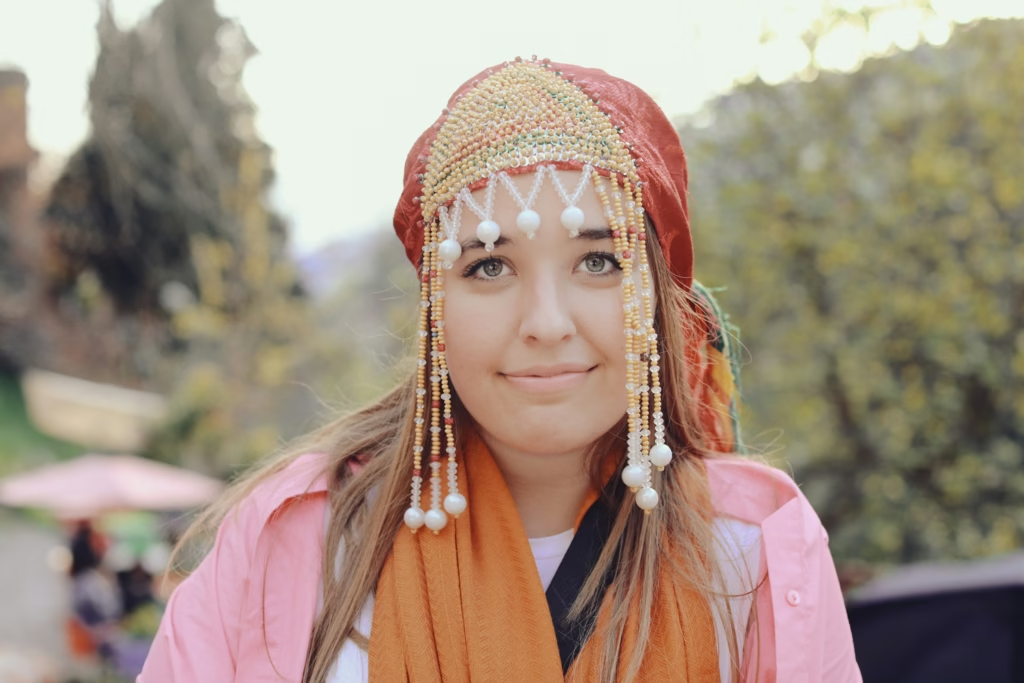
One of the first things visitors notice is the warmth of the people. Morocco is deeply well known for its Berber hospitality. The Berbers, or Amazigh (the free people), are the indigenous inhabitants of North Africa, and their culture forms the backbone of Moroccan identity.
In Morocco, a guest is considered a blessing. This is most famously demonstrated through the ritual of Moroccan mint tea. Often referred to as “Berber Whiskey,” this sweet, aromatic beverage is served multiple times a day. It is poured from a height to create a frothy head (the “turban”) and is a symbol of friendship and welcome. To refuse a cup of tea is almost unthinkable in a traditional household.
A Gastronomic Journey: Tagine, Couscous, and Spices
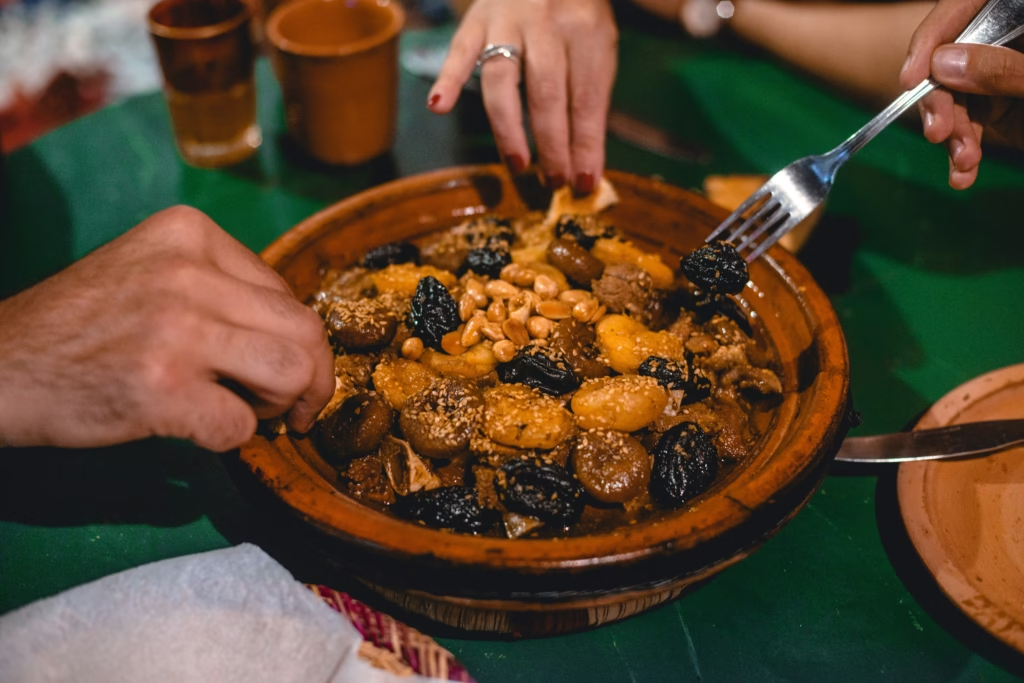
If you ask a foodie what is Morocco known for, they will undoubtedly point to the kitchen. Moroccan cuisine is a masterclass in the balance of sweet and savory.
The Iconic Tagine and Couscous
The tagine is perhaps the most recognizable symbol of Moroccan food. Named after the conical clay pot in which it is cooked, a tagine is a slow-cooked stew that locks in moisture and flavor. Whether it’s lamb with prunes or chicken with preserved lemons and olives, the result is always tender and fragrant.
Then there is couscous, the national dish. Traditionally prepared on Fridays (the holy day in Islam), it is a labor of love involving steamed semolina topped with a rich variety of vegetables and meat.
The Secret Ingredient: Ras el Hanout Spices
The complexity of these dishes comes from the spices. Walk through any Moroccan market, and you will see mountains of colorful powders. The most famous blend is Ras el Hanout spices. The name translates to “head of the shop,” implying it is the best blend a merchant has to offer. It can contain over a dozen different ingredients, including cardamom, clove, cinnamon, and sometimes even dried rosebuds.
The Geography of Wonder: From the Sahara to the Atlas
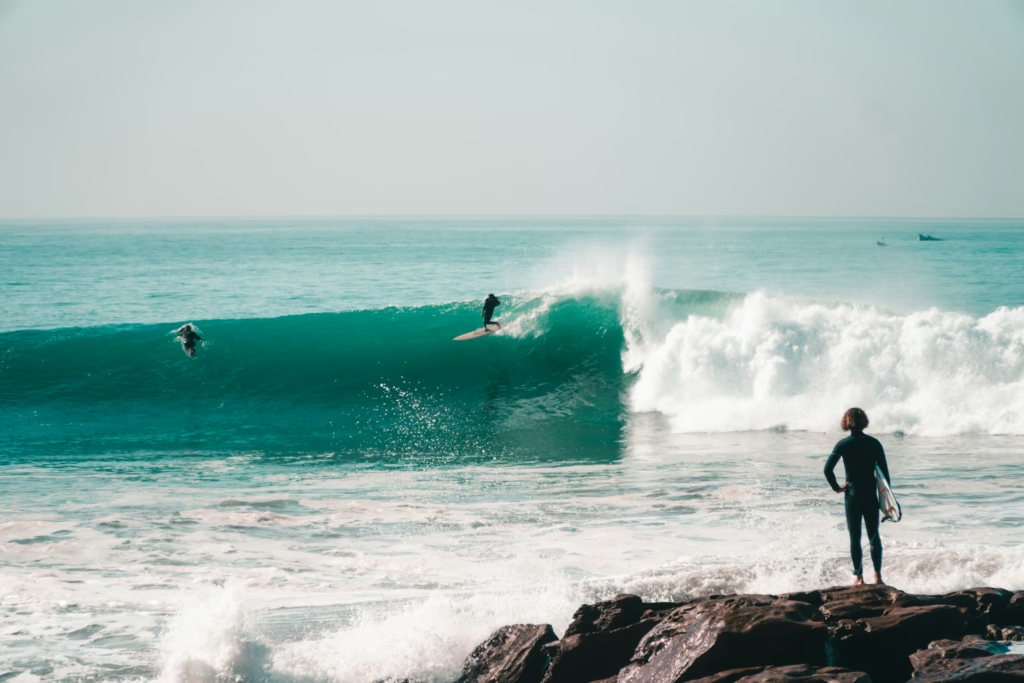

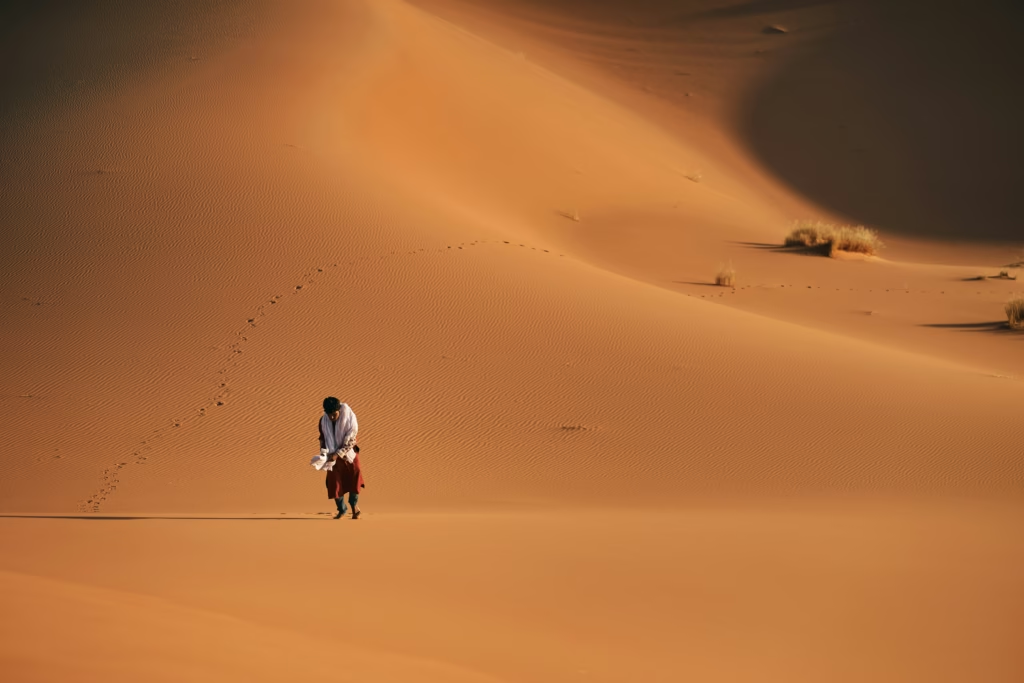
Morocco’s landscape is a study in contrasts. It is one of the few places where you can go from surfing in the Atlantic to trekking through desert dunes in a single day.
The Infinite Sahara Desert
The Sahara Desert is arguably the most famous natural landmark in the country. Specifically, the dunes of Erg Chebbi and Erg Chigaga offer the quintessential desert experience. Camel trekking at sunset is a rite of passage for many, leading to remote desert camps where the stars shine with an intensity found nowhere else on earth.
The Mighty Atlas Mountains
Acting as a literal wall between the Mediterranean climate of the north and the arid Sahara, the Atlas Mountains provide breathtaking scenery. They are home to North Africa’s highest peak, Mount Toubkal. The mountains are dotted with traditional Berber villages that look as though they have been carved directly into the mountainside.
Architectural Masterpieces and Ancient Medinas
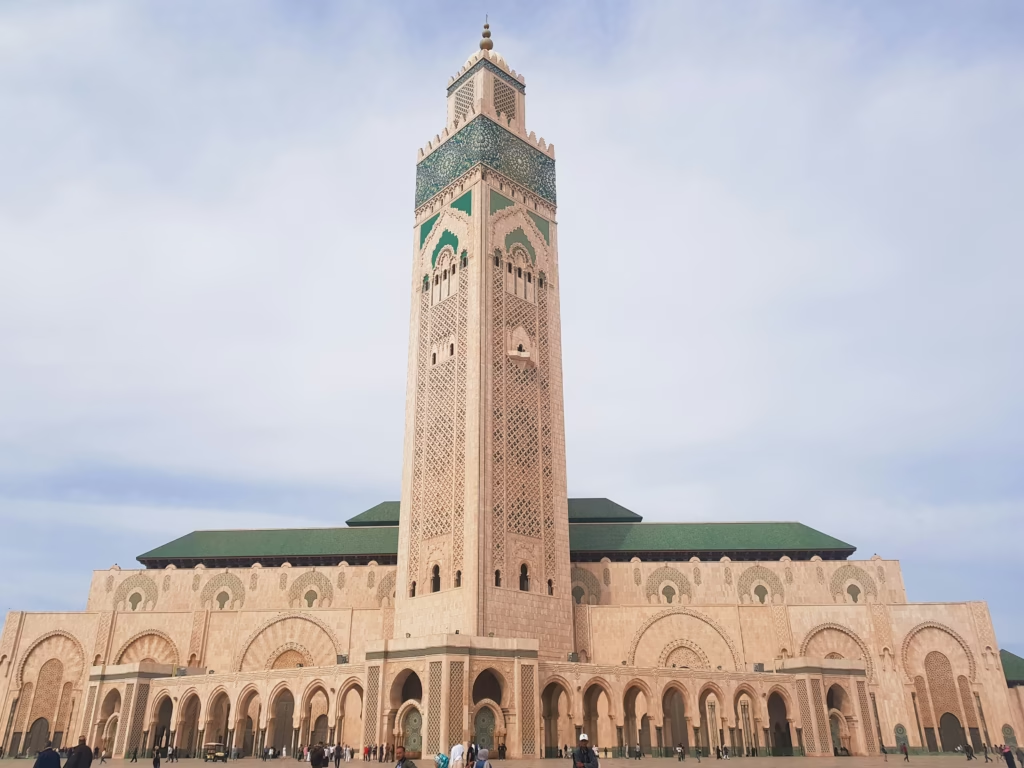
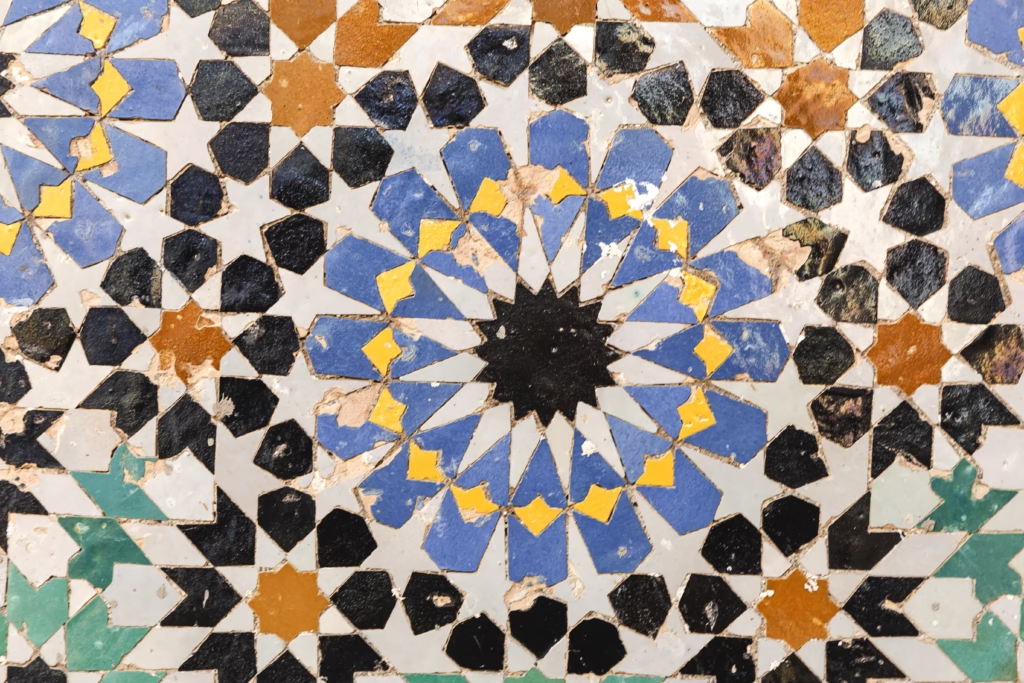
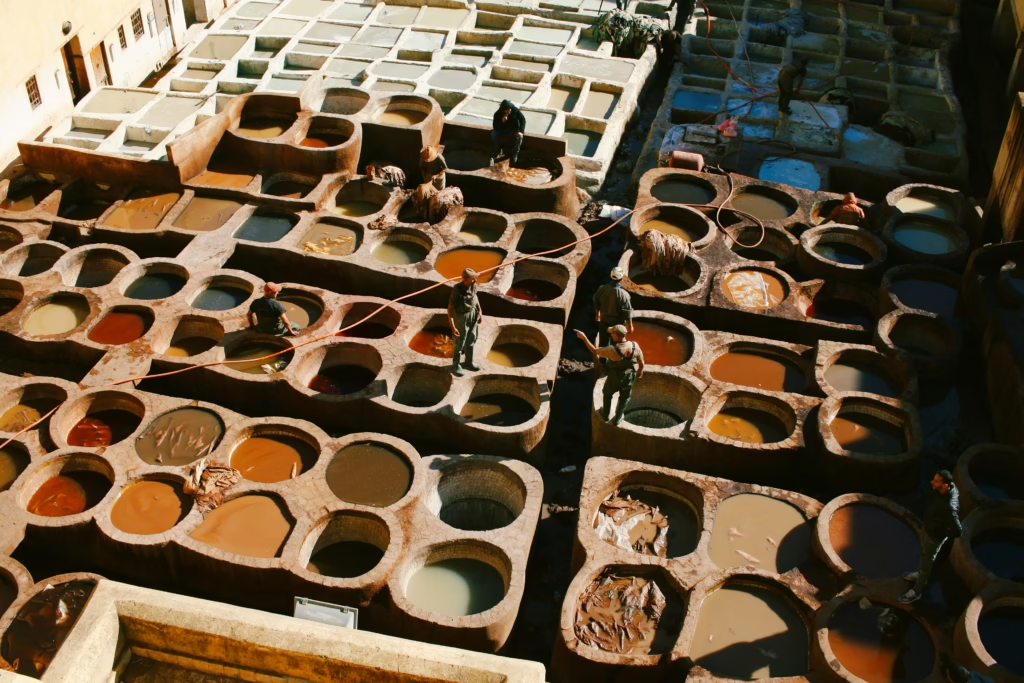
Morocco is a living museum of Islamic architecture. The intricate designs found in its mosques, madrasas, and palaces are world-renowned.
The Magic of Zellige Tilework
A defining feature of Moroccan design is Zellige tilework. These are hand-cut geometric mosaics that decorate walls, floors, and fountains. Each tiny piece is chiseled by hand and fitted into complex patterns that represent the infinite nature of God in Islamic art.
Fes Medina and the Leather Tanneries
Fes is the spiritual and intellectual heart of Morocco. Its medina, Fes el Bali, is one of the world’s largest car-free urban zones and a UNESCO World Heritage site. It is most famous for its leather tanneries, specifically the Chouara Tannery. Looking down from the balconies, you can see stone vessels filled with vibrant dyes where skins are processed using methods that haven’t changed since the medieval era.
The Grandeur of Hassan II Mosque
Located in Casablanca, the Hassan II Mosque is a marvel of modern engineering and traditional craft. It sits on a platform over the Atlantic Ocean and boasts the world’s second-tallest minaret. It is one of the few mosques in Morocco open to non-Muslims, allowing everyone to witness its incredible scale and detail.
The Cities of Color: Marrakech, Chefchaouen, and Beyond

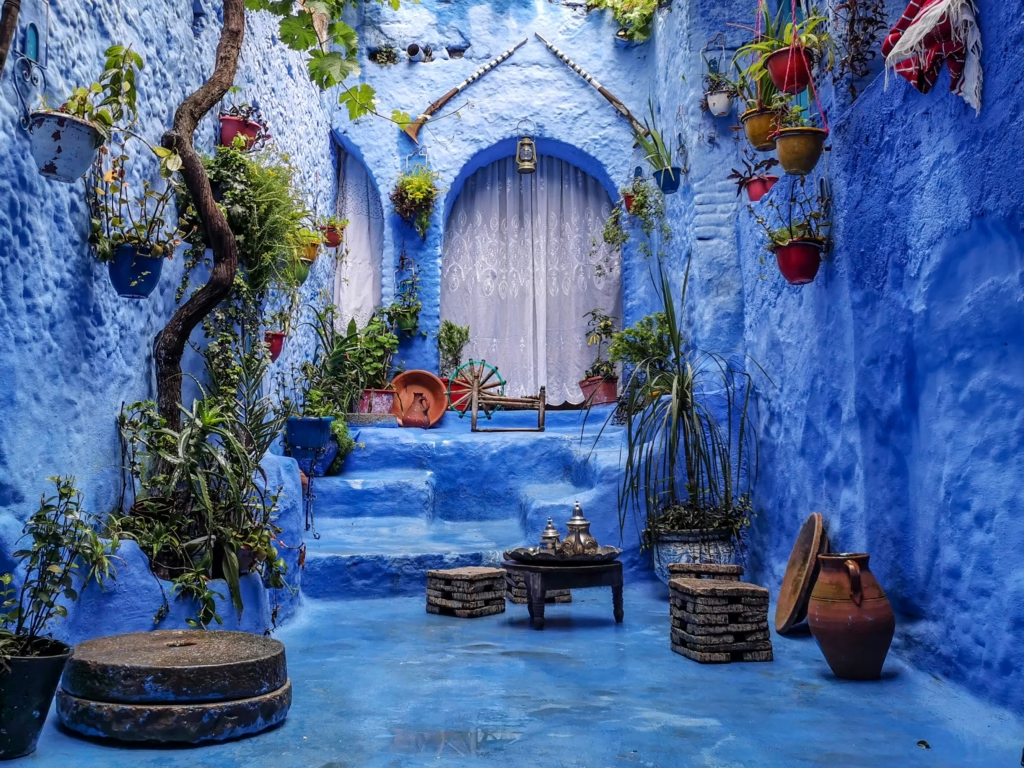
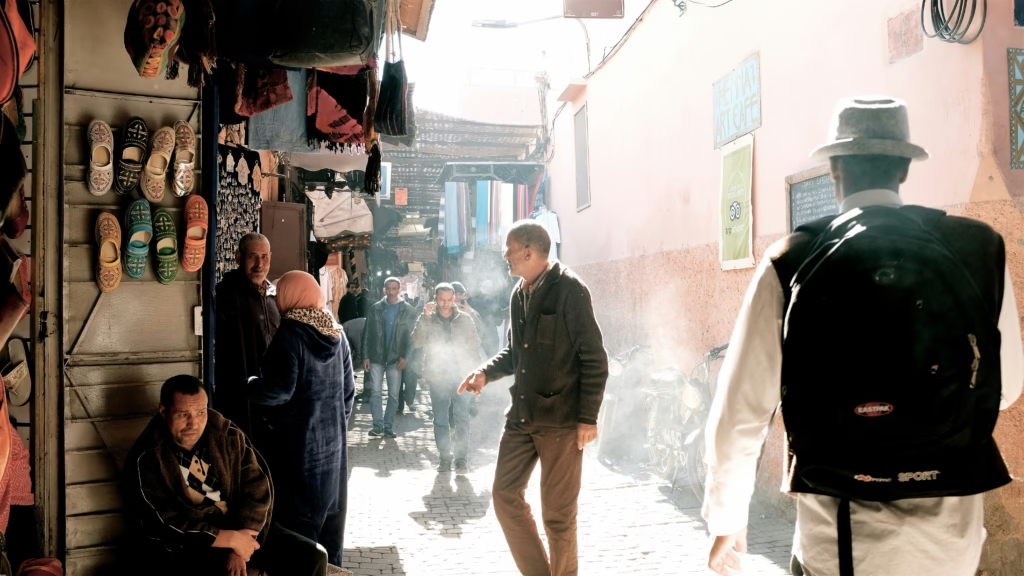
Each Moroccan city has its own distinct personality and color palette.
Marrakech: The Red City
Marrakech is the heartbeat of Moroccan tourism. Known as the “Red City” because of its ochre-colored walls, it is home to the chaotic and mesmerizing Jemaa el-Fnaa square. Here, snake charmers, storytellers, and musicians create a spectacle that feels like stepping back in time.
Chefchaouen: The Blue Pearl
In the Rif Mountains lies Chefchaouen, the “blue city.” Almost every building in the old town is painted in varying shades of blue. It is a photographer’s dream and offers a much more laid-back atmosphere compared to the frantic energy of Marrakech or Fes.
Ait Benhaddou: The Golden Ksar
For fans of cinema, Ait Benhaddou is a must-see. This ancient fortified village (ksar) is made of earthen clay and has served as a backdrop for countless films and TV shows, including Gladiator and Game of Thrones. It represents the pinnacle of Southern Moroccan earthen architecture.
Shopping and Luxury: Souks and Riads
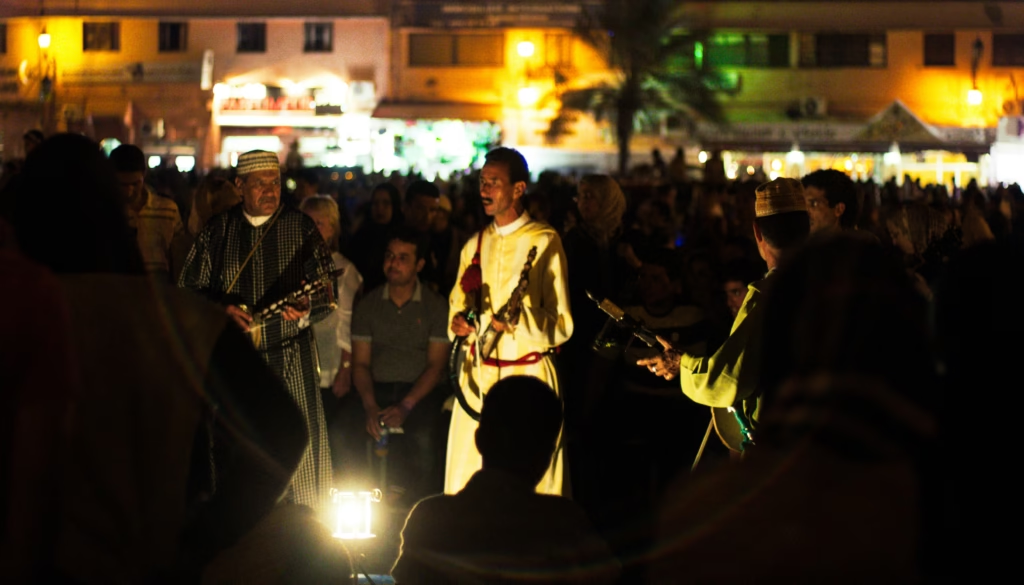
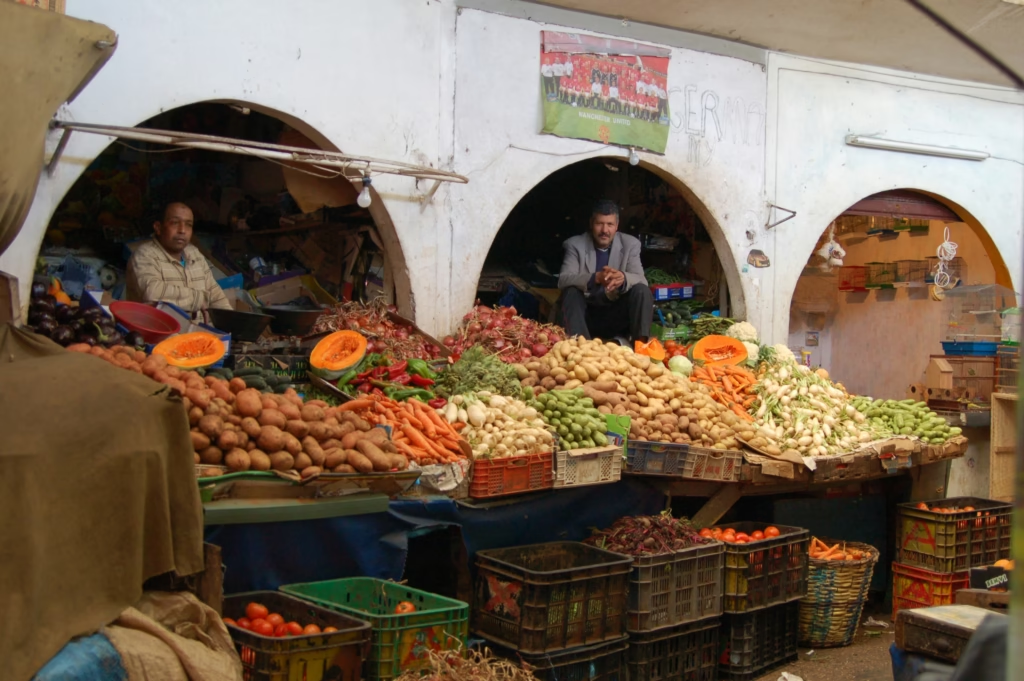
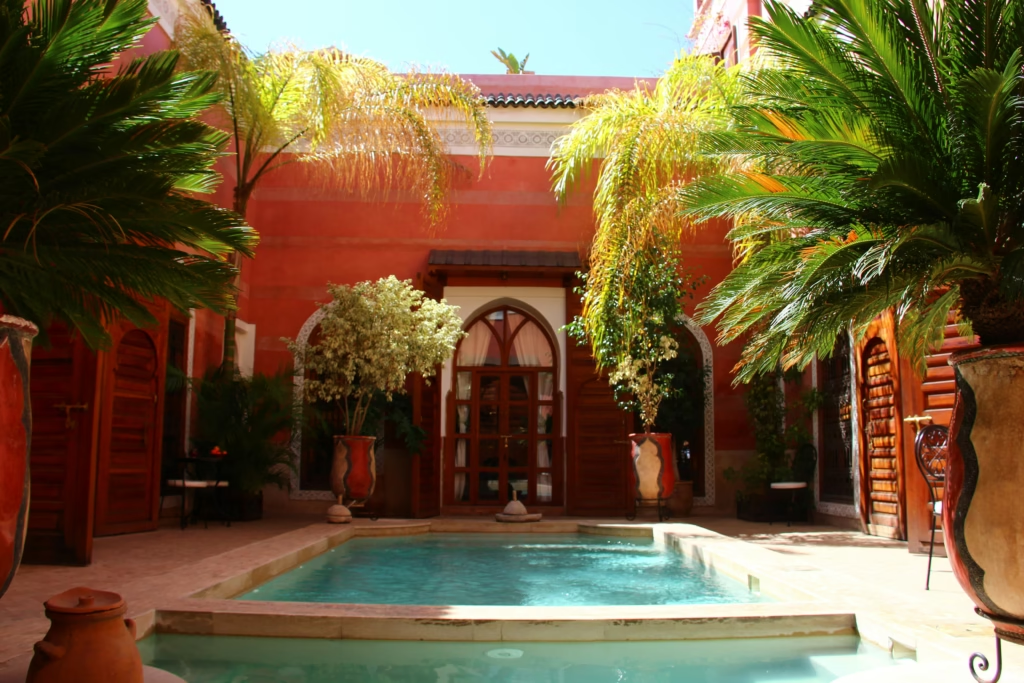
The Moroccan lifestyle is defined by two things: the vibrant marketplace and the hidden sanctuary of the home.
Navigating Moroccan Souks
The Moroccan souks are labyrinthine marketplaces where you can find everything from hand-woven carpets to hammered copper lanterns. Bargaining is an essential part of the experience—it’s not just about the price; it’s a social interaction.
Traditional Riads
When the noise of the souk becomes too much, the traditional Riads provide an escape. A Riad is a traditional Moroccan house or palace with an interior garden or courtyard. These buildings are designed for privacy and temperature control, often featuring lush plants, central fountains, and stunning roof terraces.
Nature’s Gold: Argan Oil
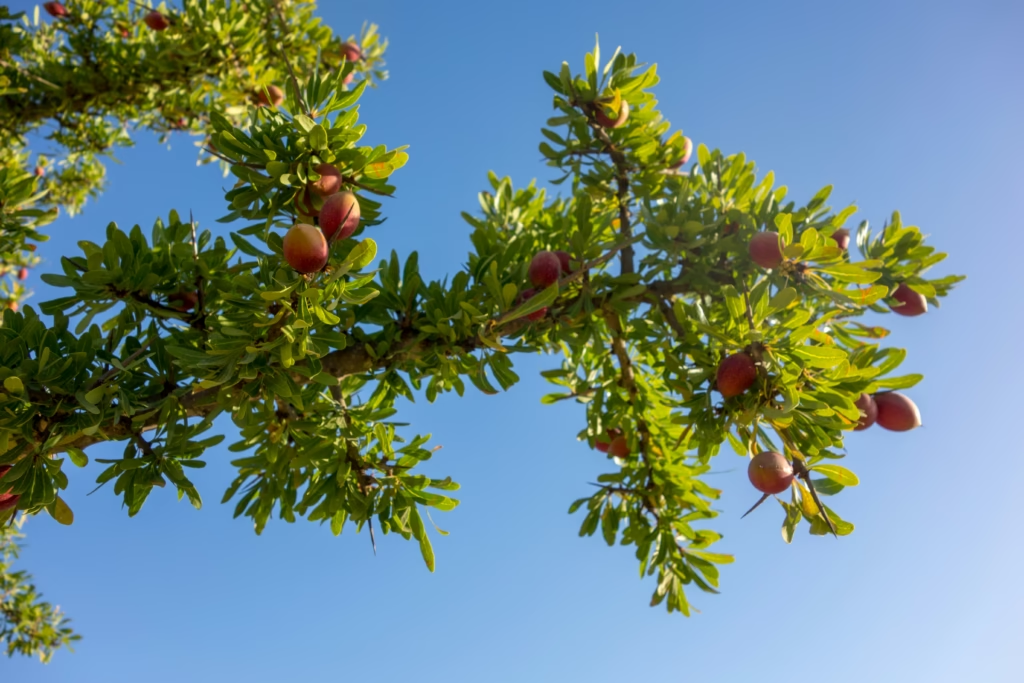
You cannot discuss what is Morocco well known for without mentioning Argan oil. Often called “Liquid Gold,” this oil is endemic to the Souss Valley in southwestern Morocco. Extracted from the kernels of the Argan tree, it is used both for culinary purposes (dipping bread in toasted Argan oil is a local delicacy) and as a world-class cosmetic product for hair and skin.
The production is largely handled by women’s cooperatives, providing vital economic support to rural Berber communities. If you drive through the region, you might even see the famous “climbing goats” perched in the branches of the Argan trees!
Why Morocco Stays in Your Heart
What truly makes Morocco famous is the way it engages all five senses. It is the sound of the call to prayer echoing across the rooftops, the smell of woodsmoke and cumin in the air, the feel of a soft wool rug, the sight of a sunset over the Atlantic, and the taste of that first hot sip of mint tea.
Morocco is a bridge between continents and cultures. It is a place where you can find solitude in the vastness of the Sahara or find community in the crowded alleys of a medina.
Summary Table: Morocco at a Glance
| Category | Highlights |
| Famous Cities | Marrakech, Fes, Chefchaouen, Casablanca |
| Must-Try Food | Tagine, Couscous, Pastilla, Mint Tea |
| Natural Wonders | Sahara Desert, Atlas Mountains, Legzira Beach |
| Crafts & Exports | Argan Oil, Zellige Tiles, Leather Goods, Carpets |
| Architecture | Hassan II Mosque, Ait Benhaddou, Riads |
Whether you are drawn by the history of the Fes medina or the tranquility of the Atlas Mountains, Morocco offers an experience that is as diverse as its landscape. It is a country that honors its past while looking toward the future, ensuring that the answer to what is Morocco known for will continue to grow richer with every passing year.