Moroccan Culture: A Tapestry of History, Art, and Hospitality
Table of Contents
Morocco, a land where the Atlantic meets the Mediterranean and the Sahara whispers to the Atlas Mountains, offers one of the world’s most vibrant sensory experiences. Moroccan culture is not a singular entity but a magnificent mosaic—a blend of Amazigh heritage, Arab influences, and Mediterranean flair. This North African kingdom serves as a gateway between continents, preserving ancient traditions while embracing the pulse of the modern world.
Understanding morocco africa culture requires looking beyond the surface. It is found in the intricate geometry of a mosaic tile, the steam rising from a clay pot, and the rhythmic beat of a desert drum. It is a culture rooted in the concept of community and a deep-seated respect for the past.
The Architectural Soul: Riads and Medinas
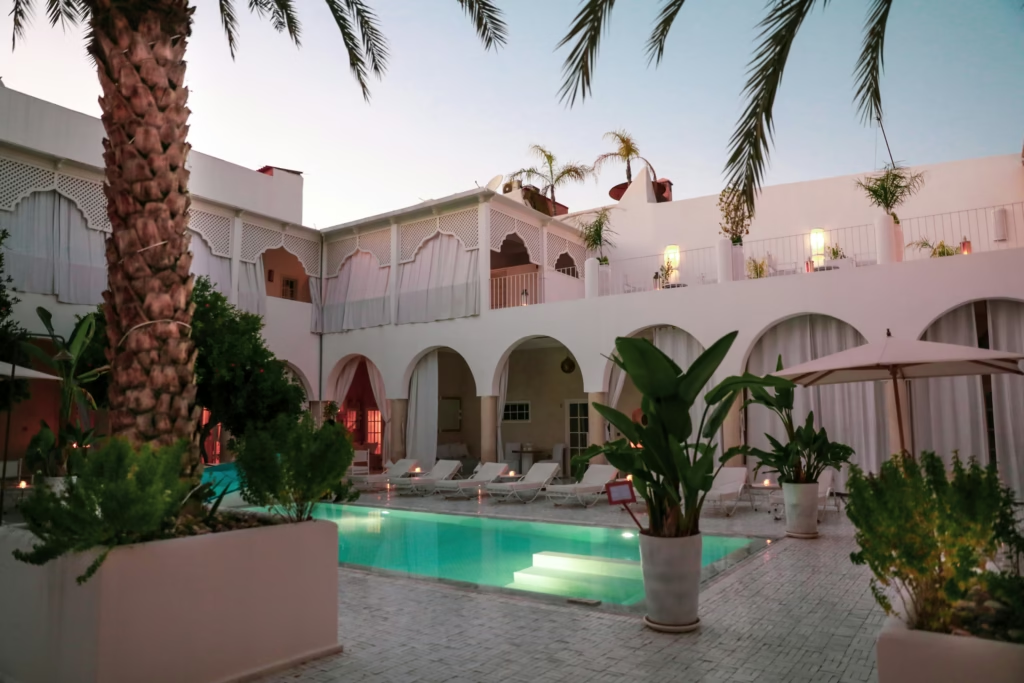
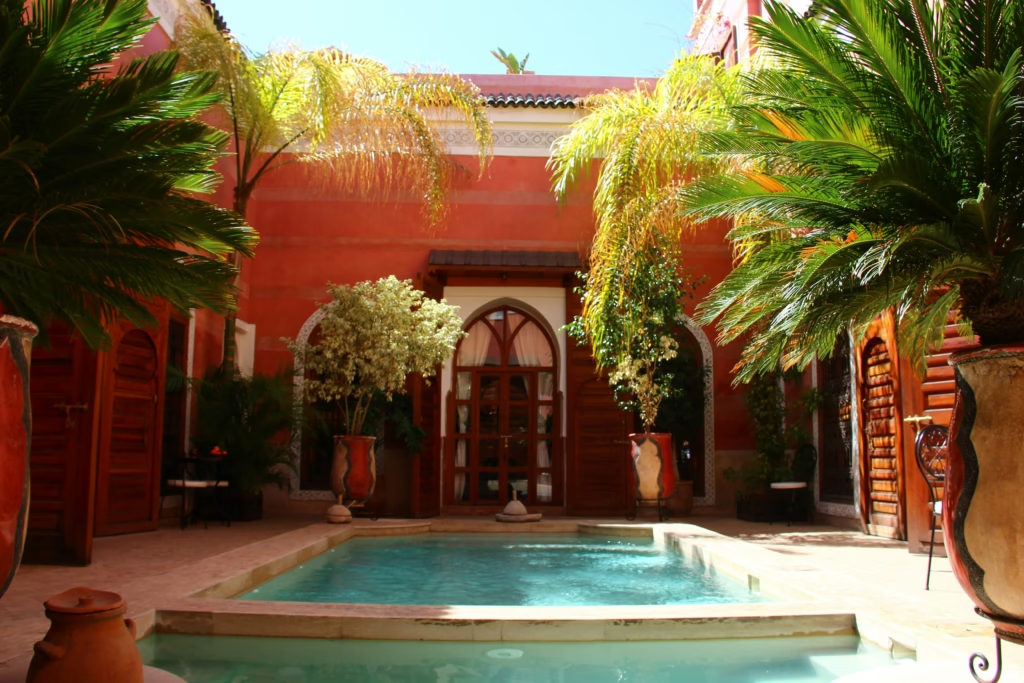
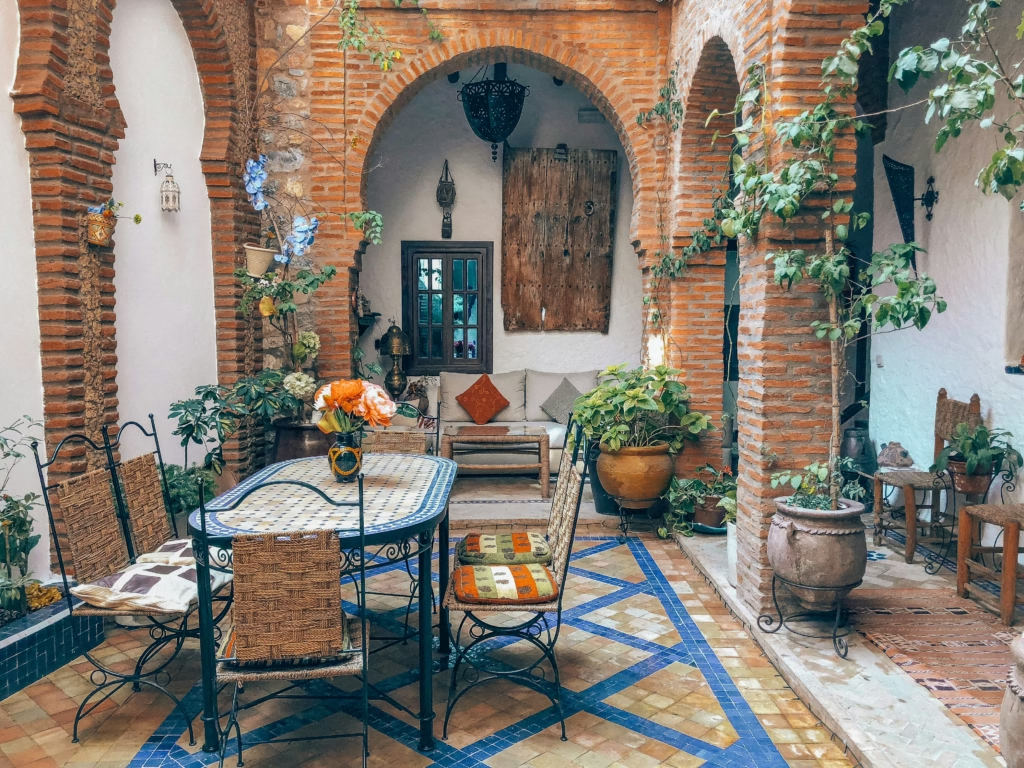
To step into a Moroccan city is to enter a living museum. The heart of any historic city is its Medinas—walled urban centers characterized by narrow, winding alleys that defy modern navigation. Within these labyrinths, the noise of the outside world fades as you enter the sanctuary of Riads. These traditional houses, centered around an inner courtyard or garden, represent the Moroccan philosophy of “privacy and paradise.”
The aesthetic of these spaces is defined by Moorish architecture. You will see:
- Zellij: Hand-cut terracotta tilework forming complex geometric patterns.
- Tadelakt: A waterproof lime plaster finish, often found in traditional Hammams (bathhouses), which provides a smooth, marble-like texture to walls.
- Stucco work: Intricate plaster carvings that adorn arches and ceilings.
The Souks (markets) that line the Medina streets are the lifeblood of moroccan culture traditions. Here, artisans continue centuries-old crafts, from tanning leather to weaving vibrant Berber carpets, each telling a story through its unique symbols and colors.
The Flavors of the Maghreb: A Culinary Journey
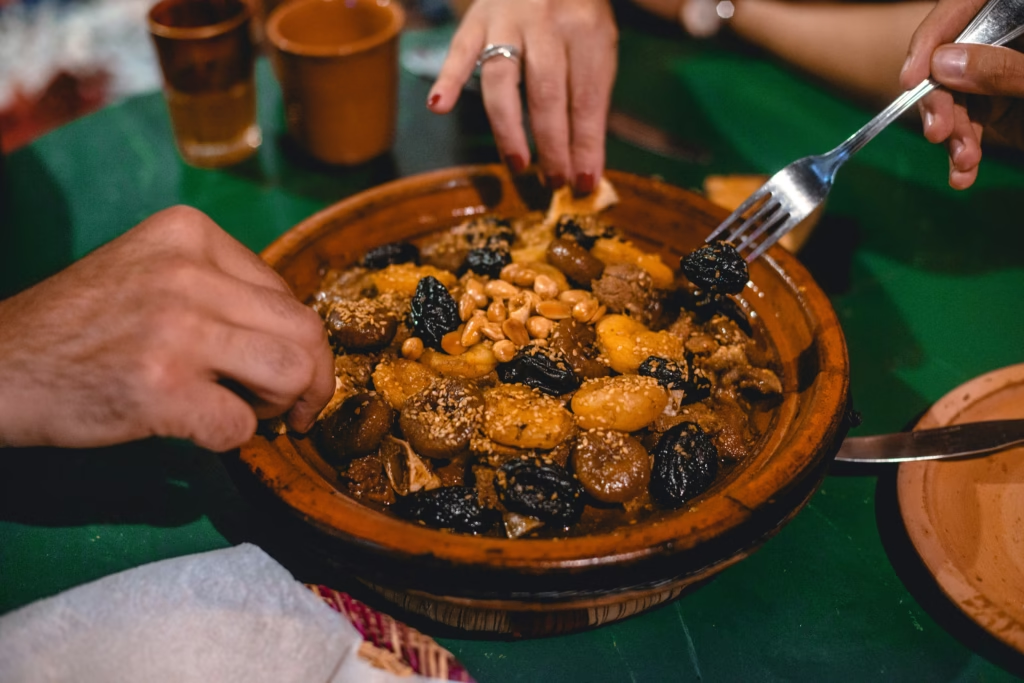

In the Maghreb, food is more than sustenance; it is a celebration of life and a primary expression of Moroccan hospitality. The kitchen is a place of alchemy, where simple ingredients are transformed by the legendary spice blend Ras el Hanout, which can contain dozens of different spices including cumin, coriander, ginger, and cinnamon.
Iconic Dishes
No exploration of morocco people and culture is complete without mentioning Couscous. Traditionally served on Fridays after midday prayers, it is a communal dish that brings families together. Equally vital is the Tagine, a slow-cooked savory stew named after the conical earthenware pot in which it is prepared. Whether it is lamb with prunes or lemon chicken with olives, the Tagine represents the patience and layering of flavors central to the cuisine.
During the holy month of Ramadan, the scent of Harira—a hearty tomato, lentil, and chickpea soup—wafts through every street as families prepare to break their fast.
The Whiskey of the Desert
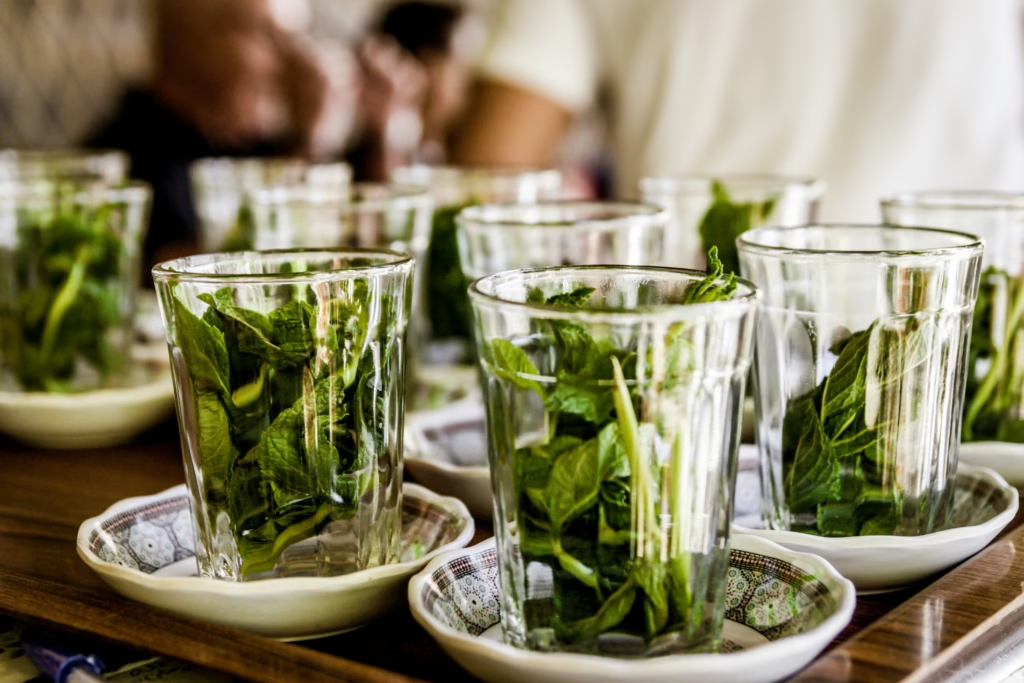
Mint tea, often jokingly referred to as “Moroccan Whiskey,” is the national drink. The ritual of pouring the tea from a height to create a foam (the “crown”) is a gesture of welcome. To refuse a glass of tea is often seen as a slight; it is the fundamental social lubricant of the country.
Music, Spirit, and the Arts
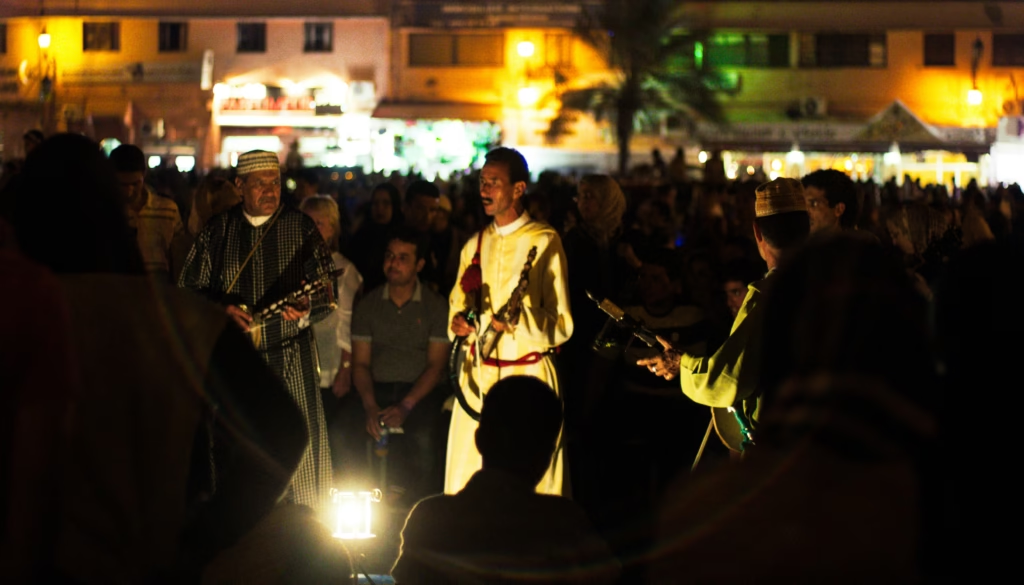
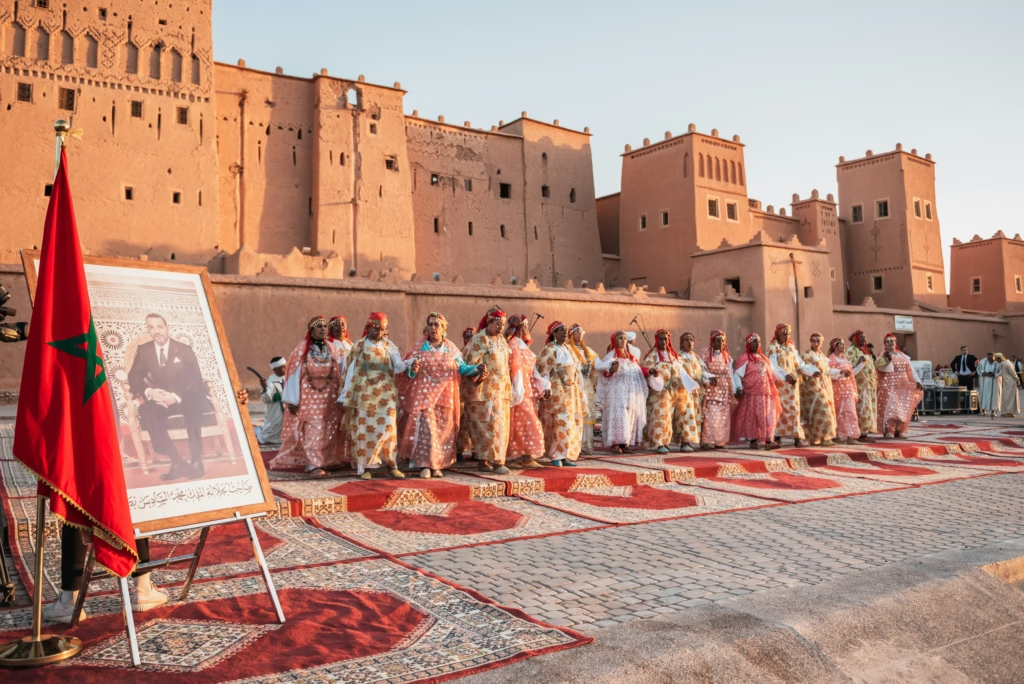
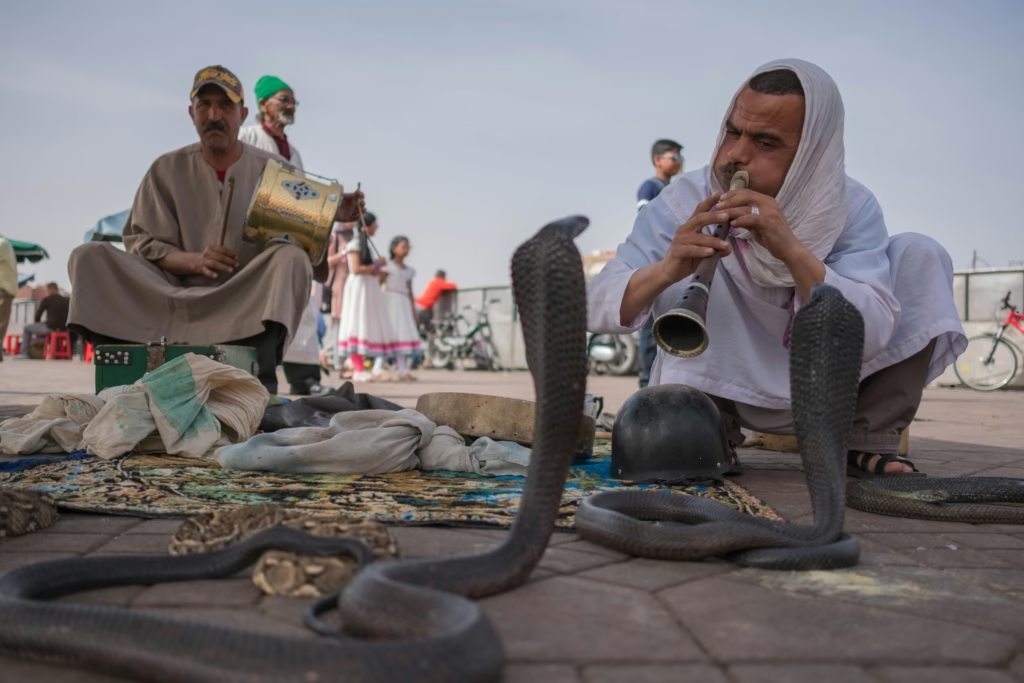
The soundscape of Morocco is as diverse as its landscape. Gnawa music, rooted in the history of sub-Saharan African people brought to Morocco, combines spiritual lyrics with hypnotic rhythms played on the gimbri (a three-stringed lute) and qraqeb (metal castanets). It is a healing music, often used in ceremonies to induce a trance-like state.
Visual storytelling is also prominent through Henna art. During weddings and festivals, women’s hands and feet are adorned with intricate henna patterns, believed to bring Baraka (blessings) and protect against the “evil eye.”
Traditional Dress: Elegance in Motion
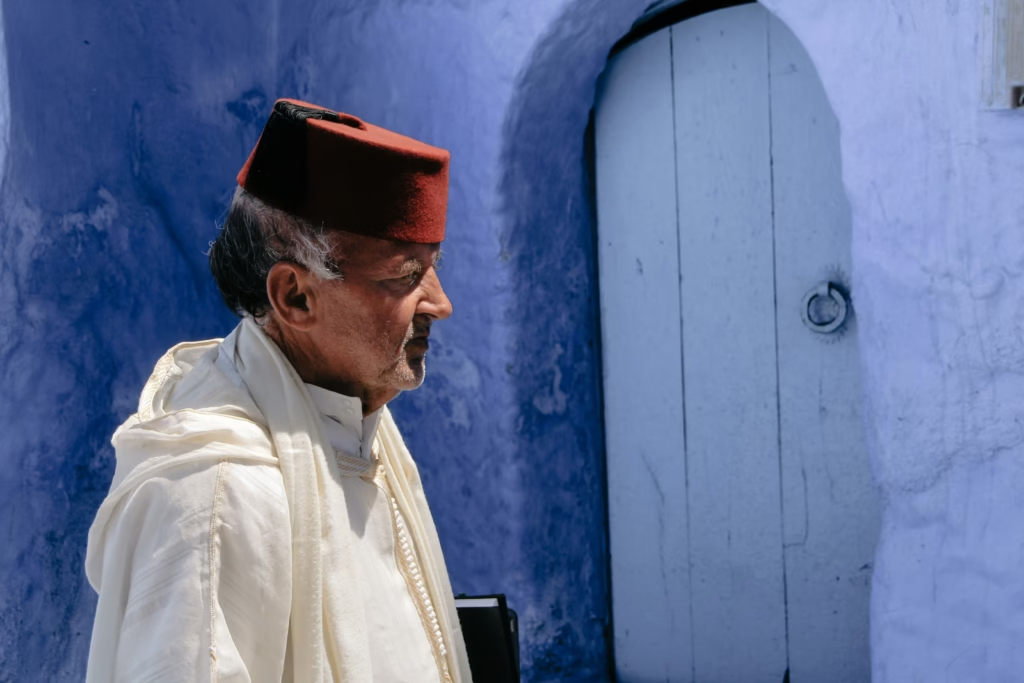
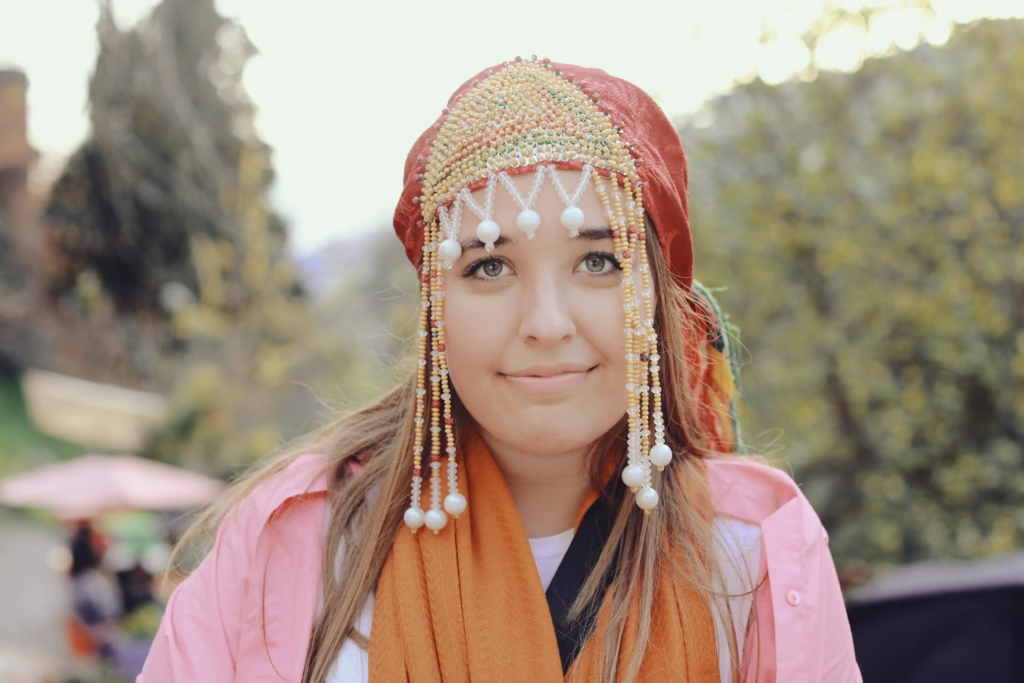
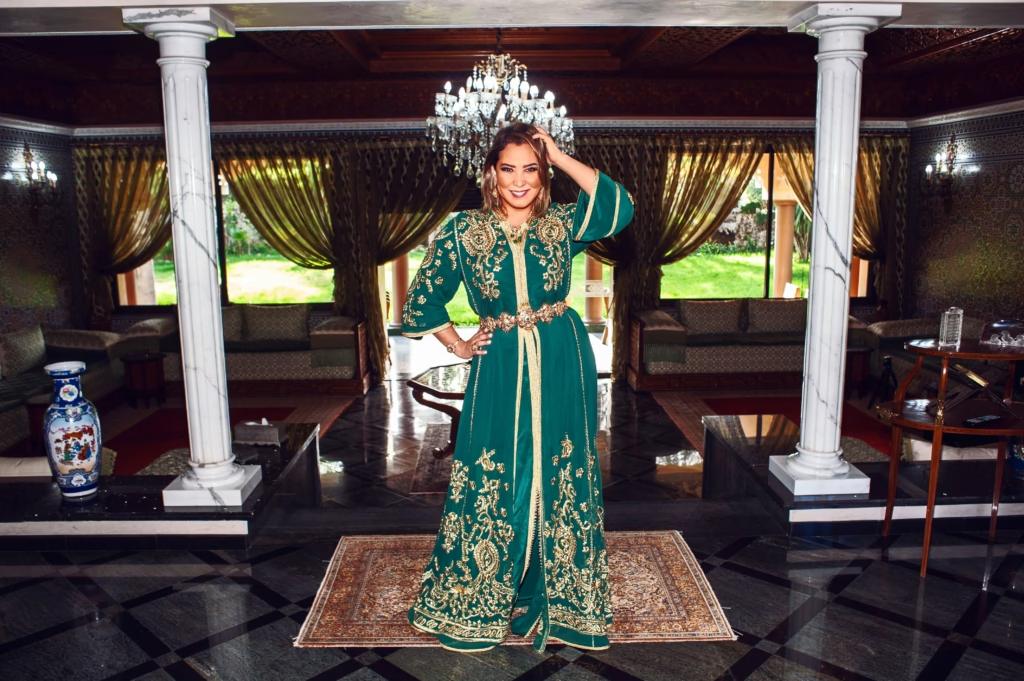
Moroccans take great pride in their traditional attire, which remains a common sight in daily life.
- Djellaba: A long, loose-fitting unisex robe with full sleeves and a pointed hood (the qob). It provides protection from the sun and cold.
- Kaftan: Typically reserved for women on special occasions, these are elaborately decorated robes, often handmade with silk embroidery and beads.
These garments are not just clothing; they are symbols of identity and craftsmanship that have survived the influx of global fast fashion.
Morocco Culture and Customs: The Social Fabric
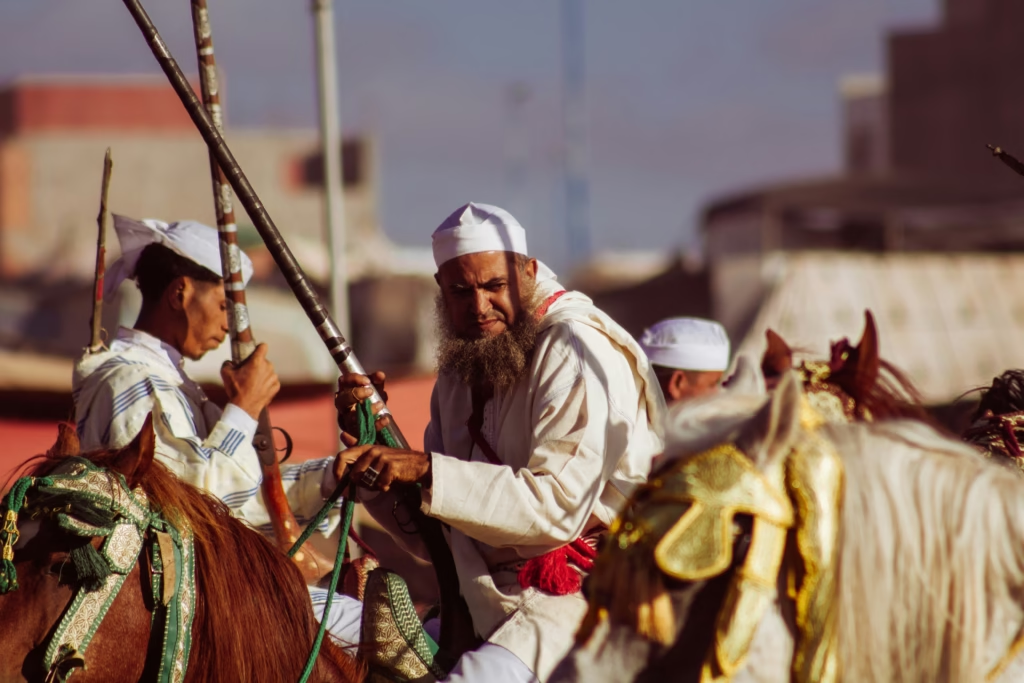
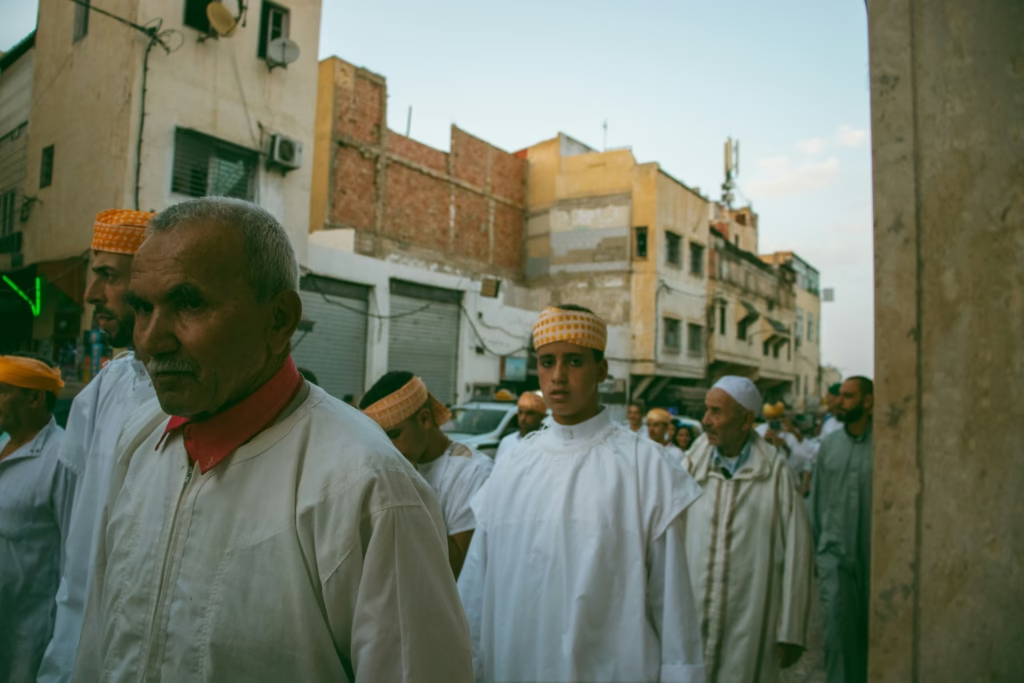
The core of morocco culture and customs is the family. Respect for elders and the sanctity of the home are paramount. Public life is often male-dominated in traditional areas, but the private sphere is the domain of the matriarch, where oral traditions and recipes are passed down through generations.
The Hammam remains a vital social institution. More than just a place for hygiene, it is a communal space where people from all walks of life gather to relax, gossip, and rejuvenate. It reflects the culture’s emphasis on ritual purity and social bonding.
Religion and Festivals
As a predominantly Muslim country, Islamic values permeate every aspect of life. The call to prayer (Adhan) echoes five times a day, providing a rhythmic structure to the hours. However, Morocco is also proud of its multi-confessional history, including a long-standing Jewish heritage that has deeply influenced its music and culinary arts.
Summary of Moroccan Cultural Pillars
| Category | Key Elements |
| Architecture | Zellij, Riads, Moorish arches, Medinas |
| Culinary | Tagine, Couscous, Mint Tea, Ras el Hanout |
| Textiles | Berber Carpets, Djellaba, Kaftan |
| Art & Sound | Gnawa Music, Henna Art, Souks |
| Social | Moroccan Hospitality, Hammam, Amazigh Heritage |
Moroccan culture is a sensory feast that rewards the curious traveler. From the high peaks of the Atlas to the blue streets of Chefchaouen, the spirit of the people remains constant: warm, resilient, and deeply hospitable.