Morocco Government: Structure, Power, and Political System Explained
Table of Contents


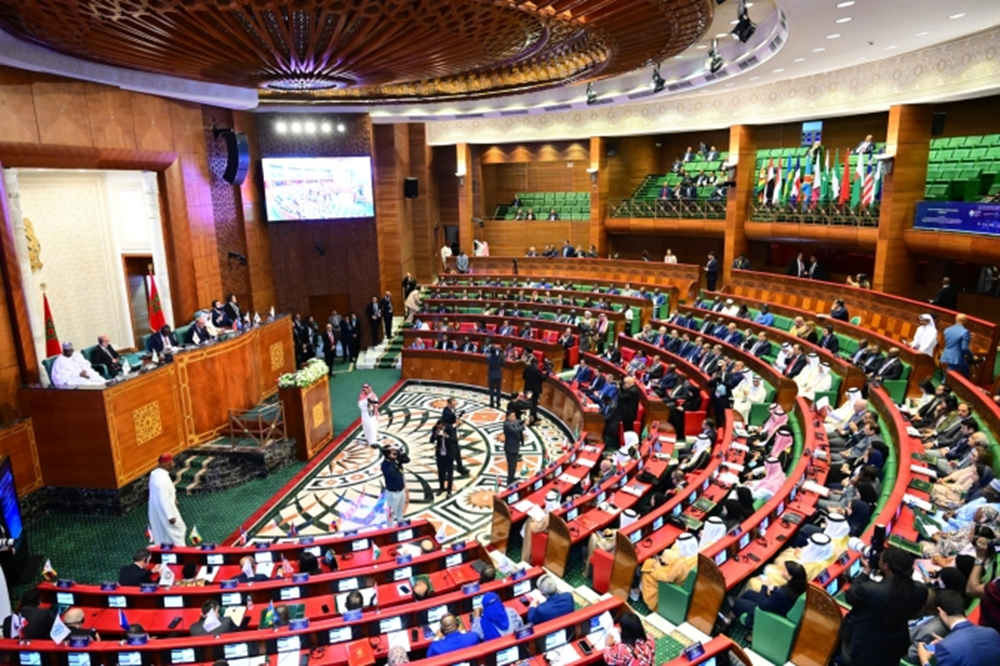
The morocco government is often described as a hybrid political system—neither purely parliamentary nor purely absolute monarchy. Instead, it blends elected institutions with strong royal authority, shaped by history, constitutional reforms, and regional realities. Understanding how governance works in Morocco means looking at its monarchy, parliament, constitution, and the balance between tradition and modern political structures.
This guide breaks down the morocco type of government, explains who holds power, how laws are made, and how leadership functions in practice.
What Type of Government Does Morocco Have?
Morocco is officially a constitutional monarchy. This means the country has a king as head of state alongside a parliament and a government formed through parliamentary elections. However, unlike many European monarchies, the king in Morocco retains significant political authority.
If you’re asking what type of government does Morocco have, the most accurate answer is:
a constitutional monarchy with a multi-party parliamentary system and a strong executive role for the monarch.
The morocco form of government combines:
- A monarch with executive and religious authority
- A parliament with legislative power
- A government led by a head of government (prime minister)
- An independent judiciary guaranteed by the constitution
The Role of the King in Moroccan Leadership
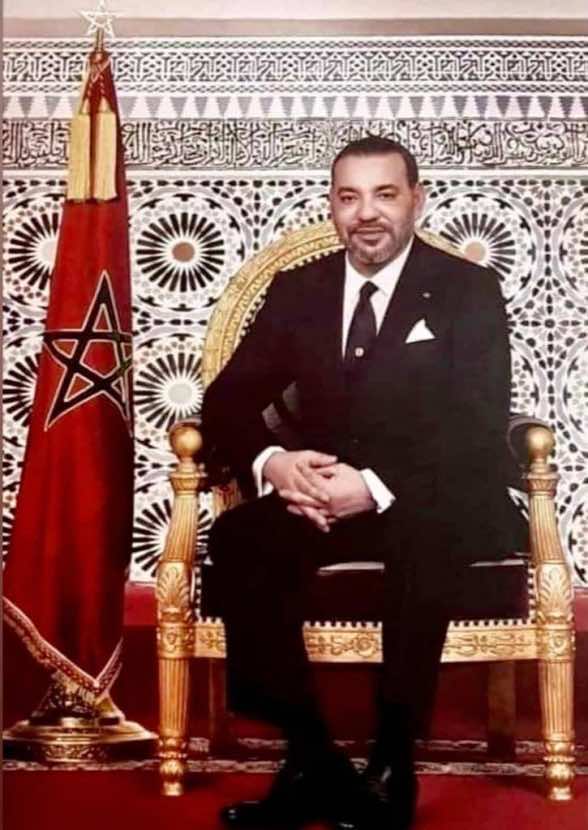


At the center of morocco leadership is King Mohammed VI, who has ruled since 1999. He is not only the head of state but also:
- Commander of the armed forces
- A secular political leader
- The highest religious authority as “Commander of the Faithful”
The king appoints the prime minister (officially called the Head of Government) from the political party that wins the most seats in parliament. He also:
- Presides over the council of ministers
- Can call for new elections or rule by decree in exceptional situations
- Influences national strategy, foreign policy, and security
This concentration of power distinguishes Moroccan governance from many other constitutional monarchies.
The 2011 Constitution and Political Reform
Morocco’s modern political structure is largely defined by the 2011 constitution, adopted after nationwide Arab Spring protests. These demonstrations called for:
- More democratic accountability
- Reduced royal dominance in daily governance
- Stronger protection of civil liberties
The new constitution introduced major reforms:
- Expanded powers for the head of government
- Clearer separation between executive power and legislative roles
- Formal recognition of an independent judiciary
- Stronger parliamentary oversight of government actions
While the monarchy remains powerful, the constitution marked a turning point in the politics of Morocco, shifting some authority toward elected institutions.
Parliament and Legislative Power in Morocco

Morocco has a bicameral legislature made up of chambers of parliament, together responsible for the country’s legislative power.
The Two Chambers of Parliament
- House of Representatives
- 120 members elected by direct popular vote
- Represents citizens at the national level
- Plays the primary role in proposing and debating laws
- House of Councillors
- Members indirectly elected by regional councils, unions, and professional bodies
- Represents territorial and socio-economic interests
Together, parliament’s responsibilities include budgetary matters approving bills questioning ministers and establishing ad hoc commissions of inquiry to investigate the government actions. This oversight role is central to democratic accountability.
Executive Power and the Head of Government
The executive branch consists of the king and the government. Day-to-day administration is handled by the head of government, who:
- Leads the cabinet
- Proposes legislation
- Oversees public policy implementation
Although executive power is shared, the monarch retains final authority over strategic decisions, national security, and major diplomatic initiatives.
Political legitimacy in Morocco therefore flows from two sources:
- Democratic elections
- Royal authority
This dual system defines how governance actually works on the ground.
Moroccan Politicians and Political Parties
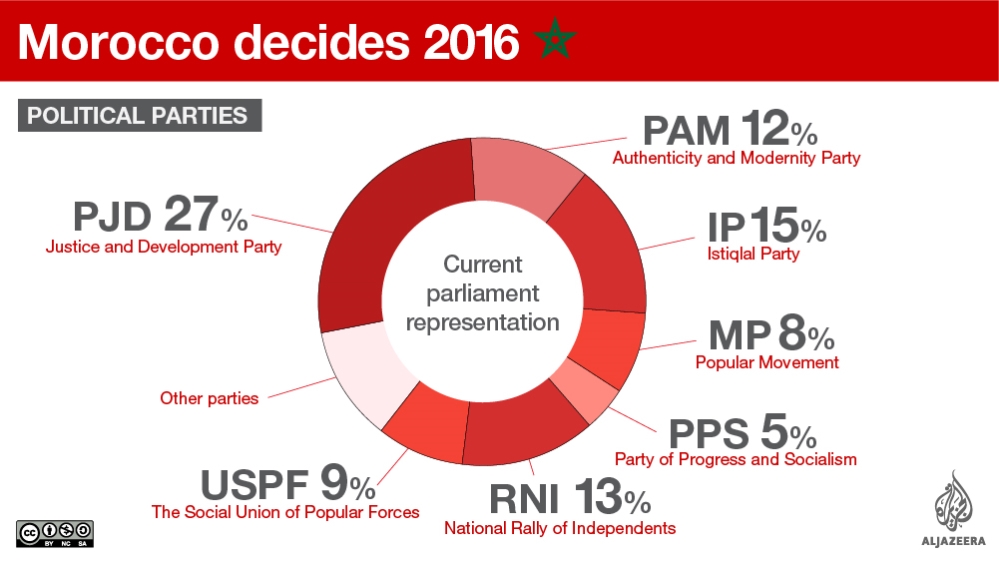
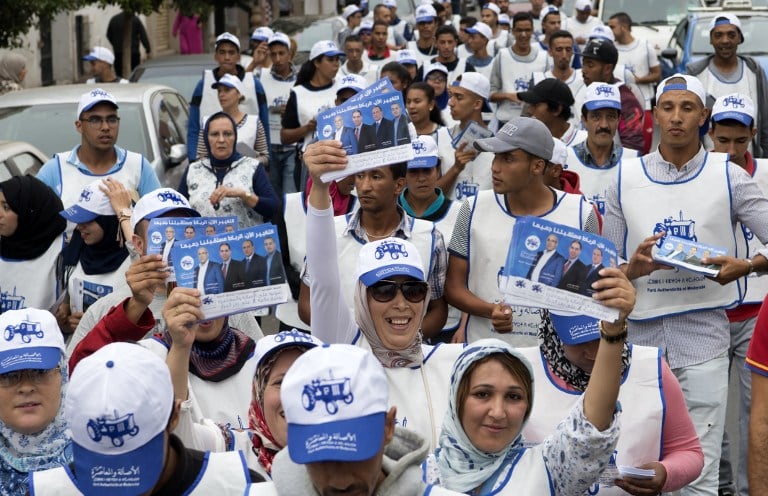

Moroccan politicians operate within a competitive multi-party environment. Dozens of political parties exist, ranging from secular liberal movements to Islamist-inspired groups.
Key features of party politics include:
- Coalition governments are common
- Parties must work within constitutional limits set by the monarchy
- Electoral competition shapes parliamentary majorities
While political parties contest elections and shape public policy, they do not challenge the monarchy’s central role. This framework has provided relative stability compared to many neighboring states.
Historical Background: From Independence to Modern Governance
Modern Moroccan governance evolved during the 20th century. After independence from France in 1956, the monarchy consolidated authority under King Hassan II, who ruled from 1961 to 1999.
During his reign:
- Parliament existed but with limited influence
- Periods of political repression alternated with controlled liberalization
- Cold War dynamics and the aftermath of World War II shaped state institutions
These historical experiences explain why today’s system emphasizes stability and continuity.
Judiciary and Rule of Law
The constitution guarantees an independent judiciary, separate from both parliament and the executive. Courts are responsible for:
- Interpreting laws
- Protecting constitutional rights
- Reviewing administrative decisions
Judicial reforms since 2011 aim to strengthen transparency and professionalism, although critics argue that true independence is still evolving in practice.
Western Sahara and Its Impact on Politics

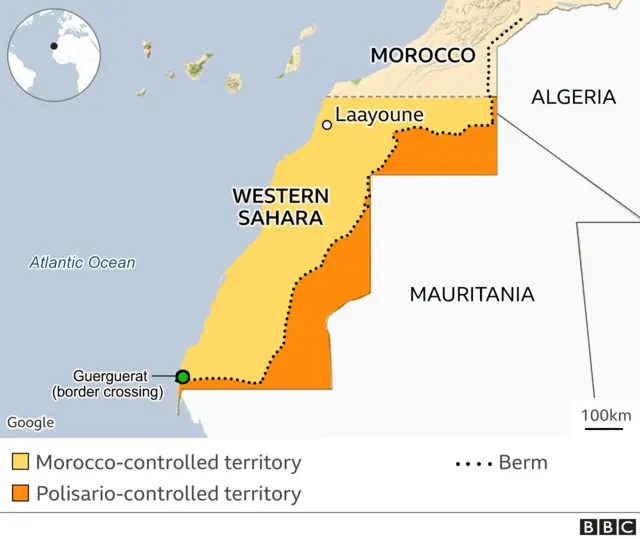

The status of Western Sahara is one of the most important issues in the politics of Morocco. The government considers the territory part of its sovereign domain, while international debate continues over self-determination.
This issue influences:
- Foreign policy
- National unity narratives
- Defense and security decisions
It also reinforces the monarchy’s role as guardian of territorial integrity.
How the Morocco Government Functions in Practice
In real terms, the morocco government works through negotiated balance:
- Parliament debates and passes laws
- The government administers policy
- The king arbitrates, directs strategy, and ensures continuity
This model has allowed Morocco to pursue gradual reform while avoiding the instability seen elsewhere in the region.
Conclusion: Understanding Morocco’s Political System
The morocco type of government cannot be reduced to a single label. It is:
- A constitutional monarchy
- A parliamentary system
- A state with strong royal executive authority
The morocco form of government reflects history, culture, and reform, combining elected representation with monarchical leadership. For observers and citizens alike, understanding this balance is key to understanding modern Morocco itself.
If you’re researching governance, leadership, or constitutional systems in North Africa, Morocco offers a unique and evolving political model—one shaped by reform rather than rupture.