Is Morocco a Third World Country?
Table of Contents
The question “is Morocco a third world country” comes up a lot—especially among travelers, students, investors, and people comparing countries around the world. The short answer is: no, Morocco is not a “third world country” in the modern sense. But to really understand why, we need to unpack where the term came from, how Morocco is officially classified today, and what the country looks like socially, economically, and politically in 2026.
This article explains the topic clearly, using facts, global rankings, and real-world comparisons—without sugarcoating or oversimplifying.
Understanding the Term “Third World”
The term third world did not originally mean poor or underdeveloped. It was coined during the cold war era, right after World War II.
- First World: Countries aligned with the United States and Western Europe
- Second World: Countries aligned with the Soviet Union
- Third World: Countries that were non-aligned
Morocco fell into this non-aligned group, but that historical label no longer reflects economic or social reality. Today, economists, the United Nations, and the World Bank do not use the term at all.
How Morocco Is Classified Today
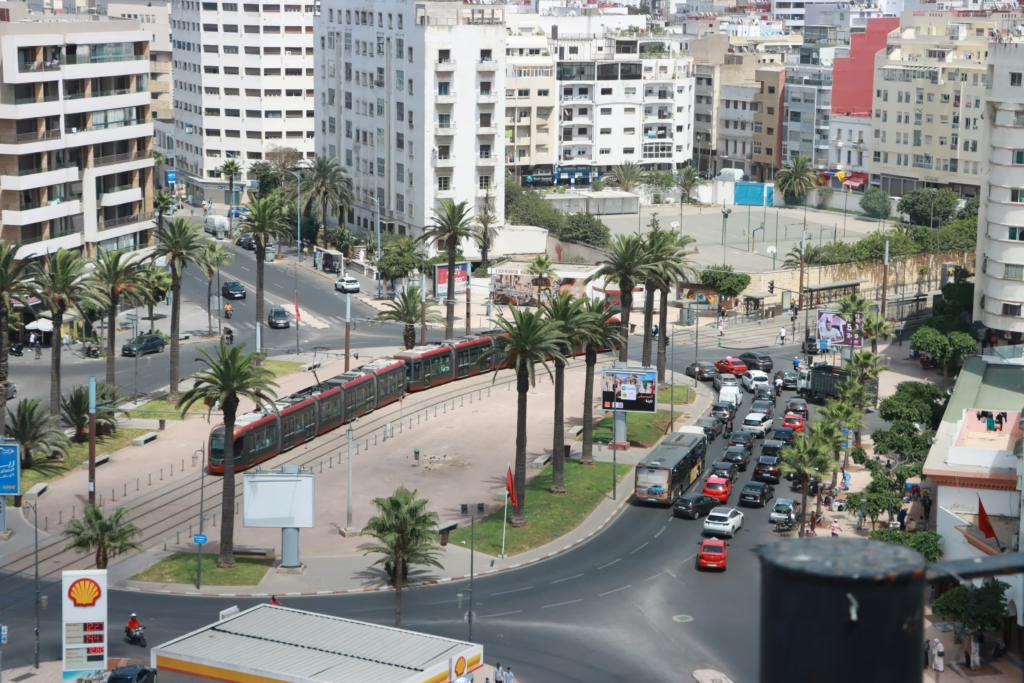
So, is Morocco a 3rd world country by modern standards? Officially, no.
Morocco is classified as a:
- Developing country
- Middle income country
- Lower-middle to upper-middle income depending on the metric used
The World Bank groups Morocco with income countries that are developing but stable, similar to parts of Eastern Europe or Latin America—not fragile or failed states.
Morocco’s Economic Status

Economic Growth and Stability
Over the last two decades, Morocco has shown steady economic growth, driven by:
- Manufacturing (automotive, aerospace)
- Agriculture and agri-business
- Tourism
- Renewable energy, especially solar power
- Trade with Spain and France
Morocco’s proximity to Western Europe gives it a major strategic advantage. Many European companies manufacture or outsource operations there.
Economic Vulnerability (The Real Challenge)
That said, Morocco still faces economic vulnerability:
- Dependence on rainfall for agriculture
- Income inequality between cities and rural areas
- Youth unemployment
These issues are real—but they are economic and social challenges, not signs of a “third world” collapse.
Human Development Index (HDI)
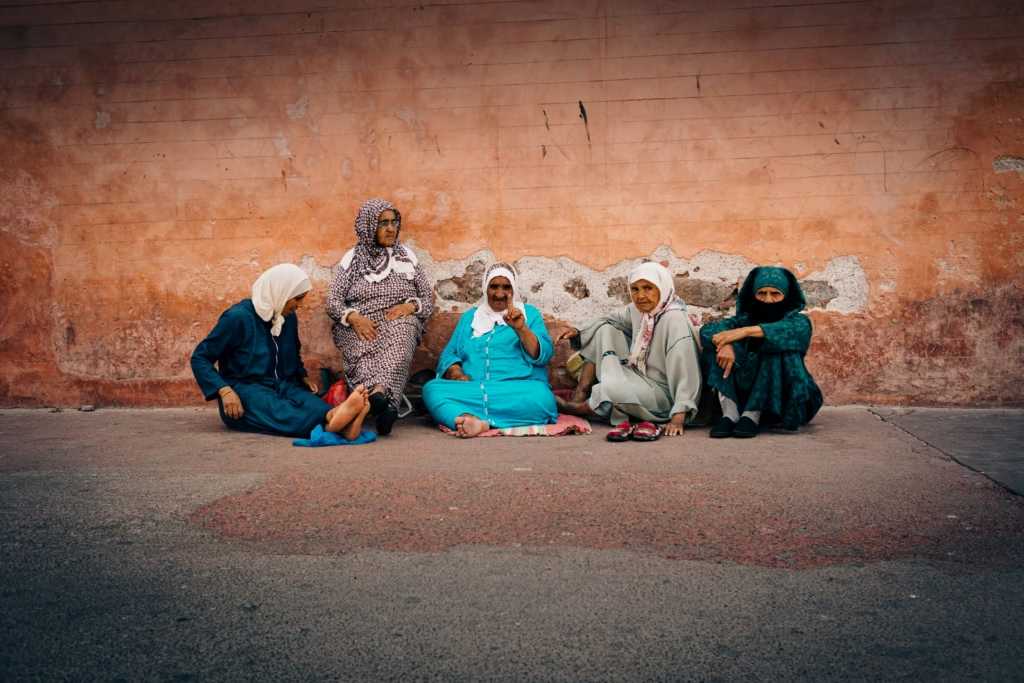
The Human Development Index measures:
- Education
- Health
- Income per capita
- Life expectancy
Morocco’s life expectancy is now over 76 years, higher than several countries in Eastern Europe and comparable to some middle-income nations worldwide.
When Morocco ranked on the HDI scale, it consistently places in the medium human development category—above many countries commonly (and wrongly) called third world.
Infrastructure: Not What People Expect
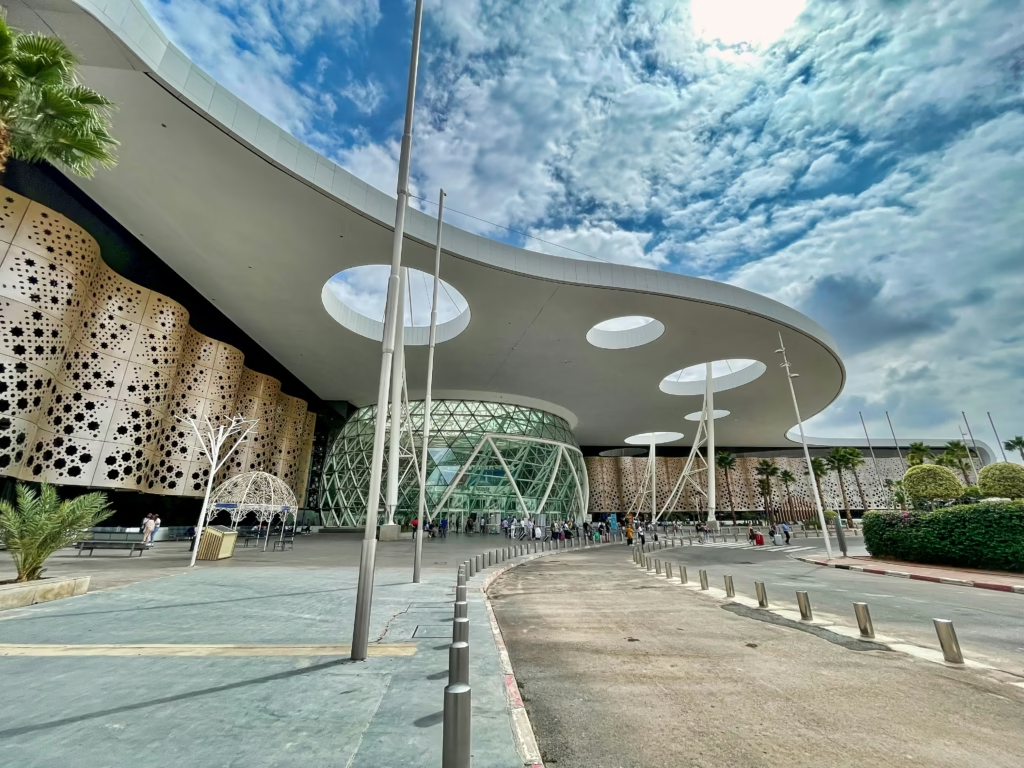
If you’re wondering is Morocco third world based on infrastructure, the reality surprises most visitors.
Morocco has:
- Africa’s first high-speed rail line (Al Boraq)
- Modern highways linking major cities
- World-class airports in Casablanca, Marrakech, and Rabat
- Advanced ports like Tanger-Med (one of the largest in Africa)
In some areas, Morocco’s infrastructure rivals parts of Spain and France—especially logistics and transport.
Energy and Sustainability
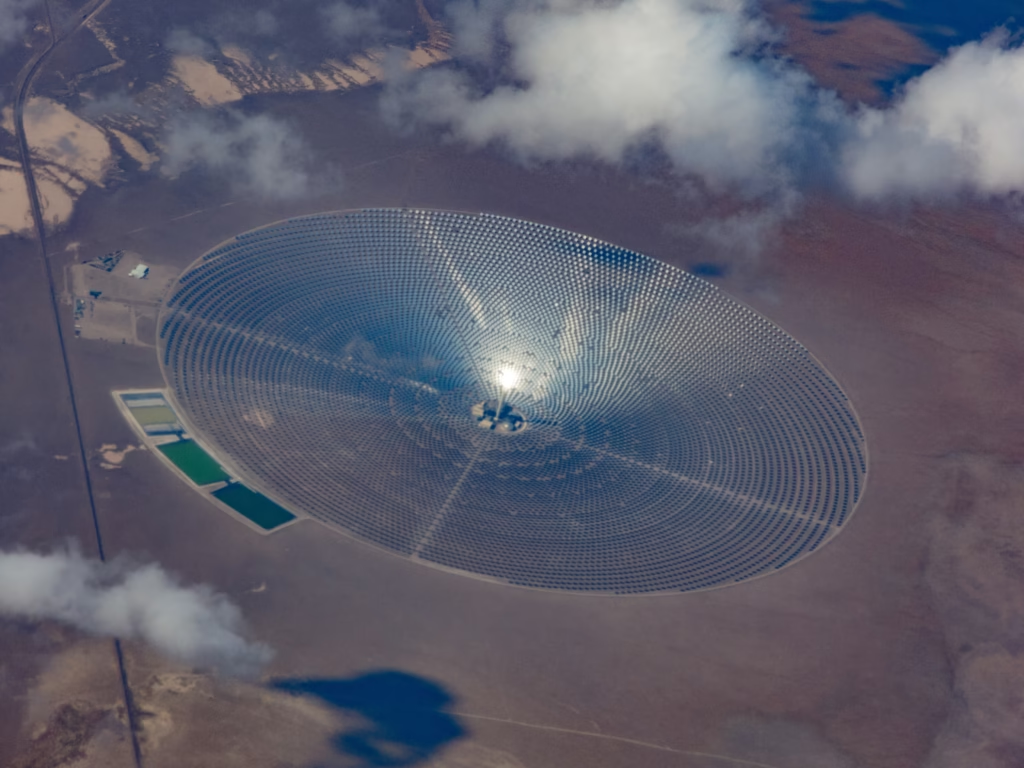
Morocco is a global leader in renewable energy.
- Massive investments in solar power
- One of the world’s largest solar plants in Ouarzazate
- Strong national energy strategy to reduce dependence on imports
This places Morocco ahead of many developing country peers and even some industrialized nations.
Social Development and Living Standards
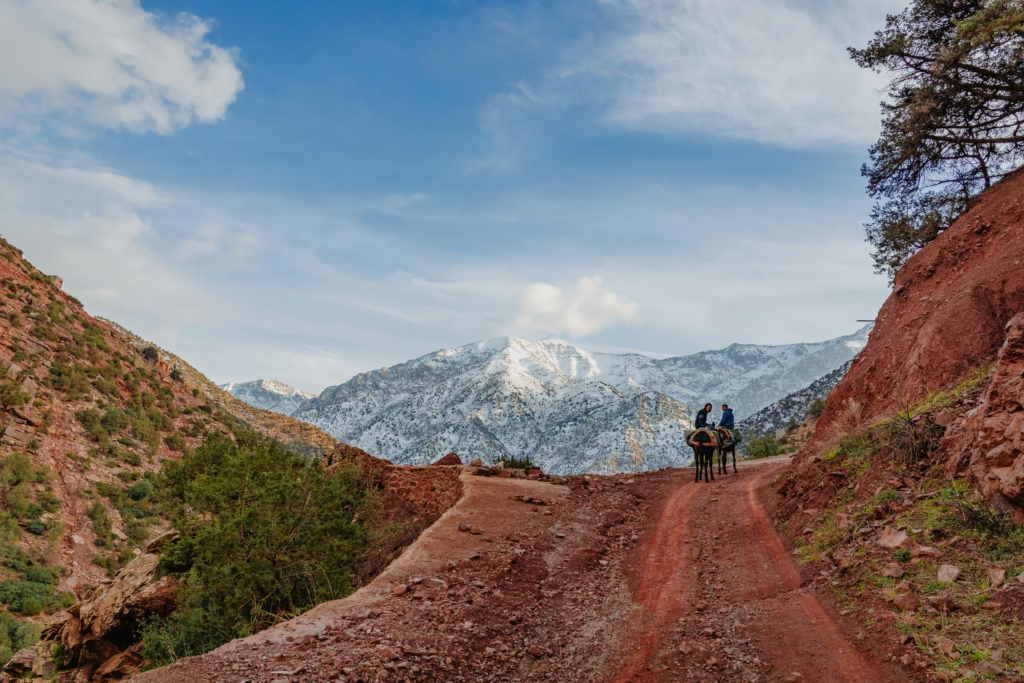
Urban vs Rural Reality
Here’s where nuance matters.
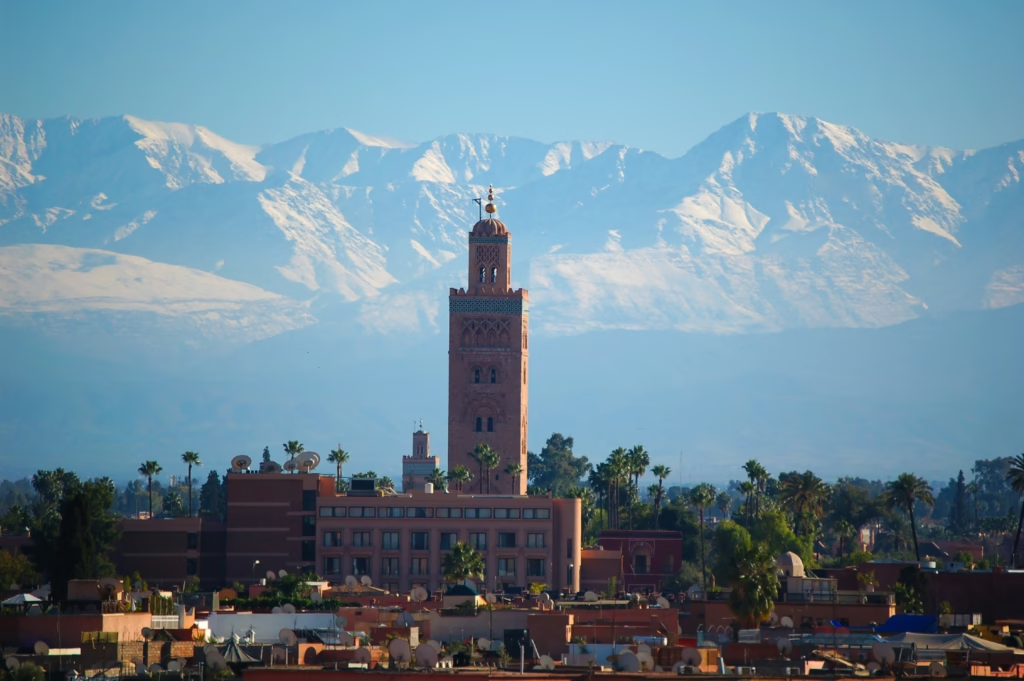
- Cities like Casablanca, Rabat, Tangier, and Marrakech are modern and globally connected
- Rural areas lag behind in services and income
This urban-rural divide is common in middle income countries—including countries in Eastern Europe and Asia.
Education and Healthcare
Morocco has:
- Universal primary education
- Growing universities and private education
- Expanding healthcare access
While the system isn’t perfect, it’s structurally similar to many emerging economies, not “third world” stereotypes.
International Relations and Global Role
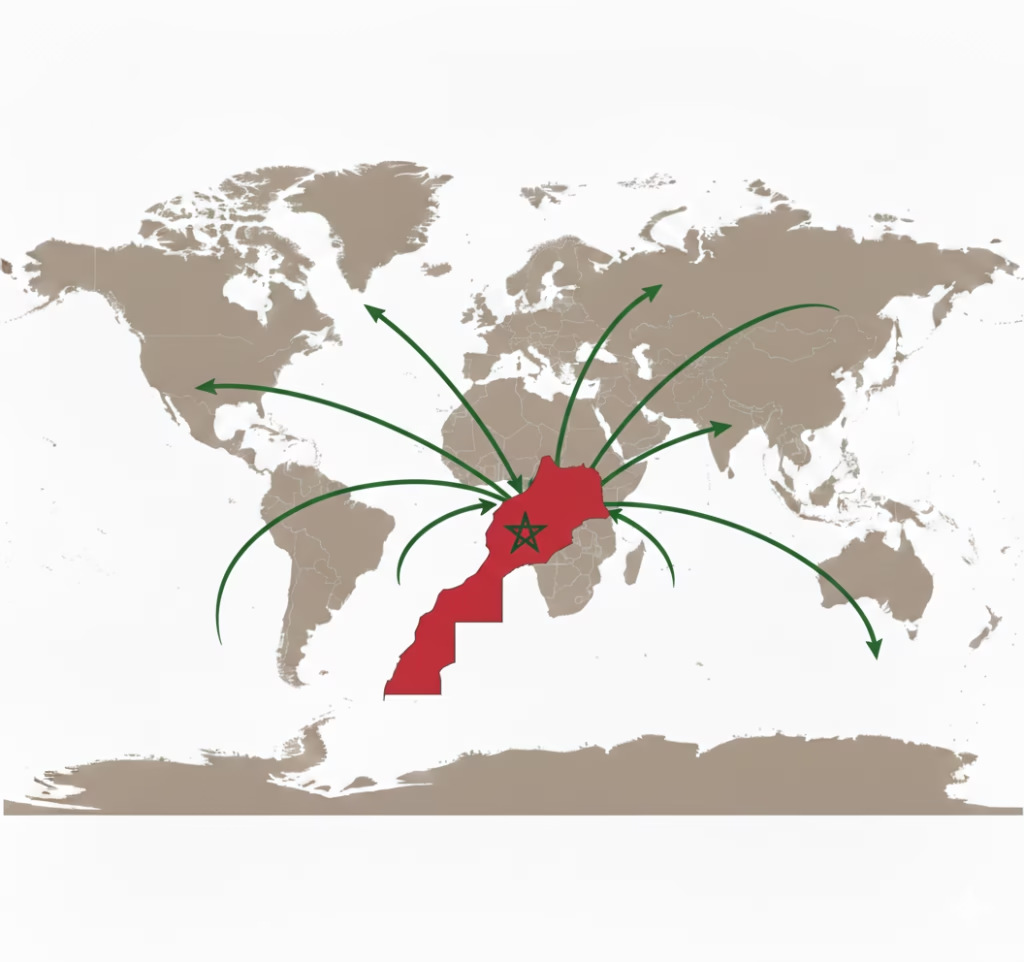
Morocco is a stable regional partner for:
- The United States
- The European Union
- African economic blocs
It participates actively in United Nations programs and World Bank development initiatives, often as a model reform country in North Africa.
This geopolitical stability is another reason experts avoid outdated labels.
Comparing Morocco to Other Regions
Let’s be practical.
- Morocco is not comparable to fragile states
- It is more developed than many countries historically labeled “third world”
- It is less wealthy than Western Europe—but so are many EU members
When compared to parts of Eastern Europe, Morocco performs similarly in infrastructure growth, export manufacturing, and life expectancy.
Why the “Third World” Label Persists
So why do people still ask is Morocco a third world country?
Main reasons:
- Outdated education materials
- Media stereotypes
- Confusing poverty with underdevelopment
- Old Cold War language still used online
In reality, economists abandoned the term decades ago because it misrepresents complex national realities.
What Experts Say Instead
Today, experts use terms like:
- Developing country
- Emerging market
- Middle income country
These reflect actual data, not Cold War politics.
Morocco fits clearly into this modern classification.
Final Answer: Is Morocco a Third World Country?
No.
Morocco is not a third world country by any modern economic, political, or social definition.
It is a developing, middle income country with:
- Growing industries
- Improving human development
- Strategic global partnerships
- Ongoing challenges, but strong foundations
If you’re comparing countries around the world, Morocco sits firmly in the category of emerging economies, not outdated Cold War labels.
Key Takeaway
If you hear someone say “is Morocco a third world country”, the accurate response is:
Morocco is a stable, developing middle-income country with modern infrastructure, strong international ties, and ongoing economic and social development.