Northern Morocco: A Timeless Journey Through History, Culture, and Nature
Table of Contents
Introduction:
Northern Morocco, a captivating region located at the crossroads of Africa and Europe, offers a fascinating blend of rich history, diverse culture, and breathtaking landscapes. From its ancient cities and scenic views to the enchanting Mediterranean Sea and Atlantic Ocean, Northern Morocco is a destination that never fails to impress. Whether you are a history enthusiast, a nature lover, or a traveler seeking adventure, this region promises an unforgettable experience.
The Historic Significance of Northern Morocco
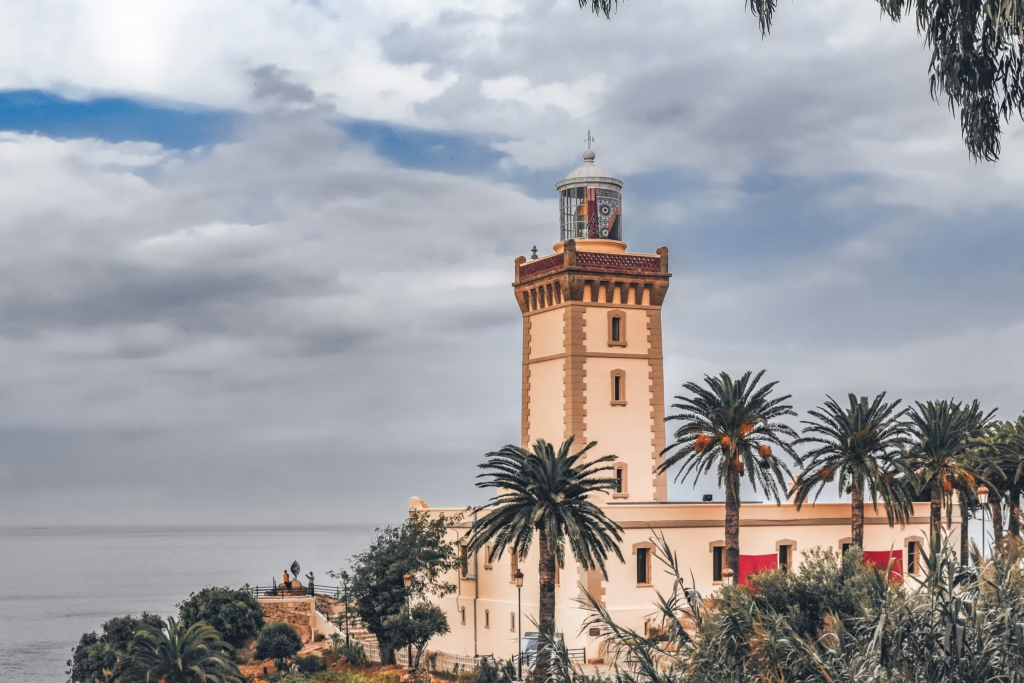
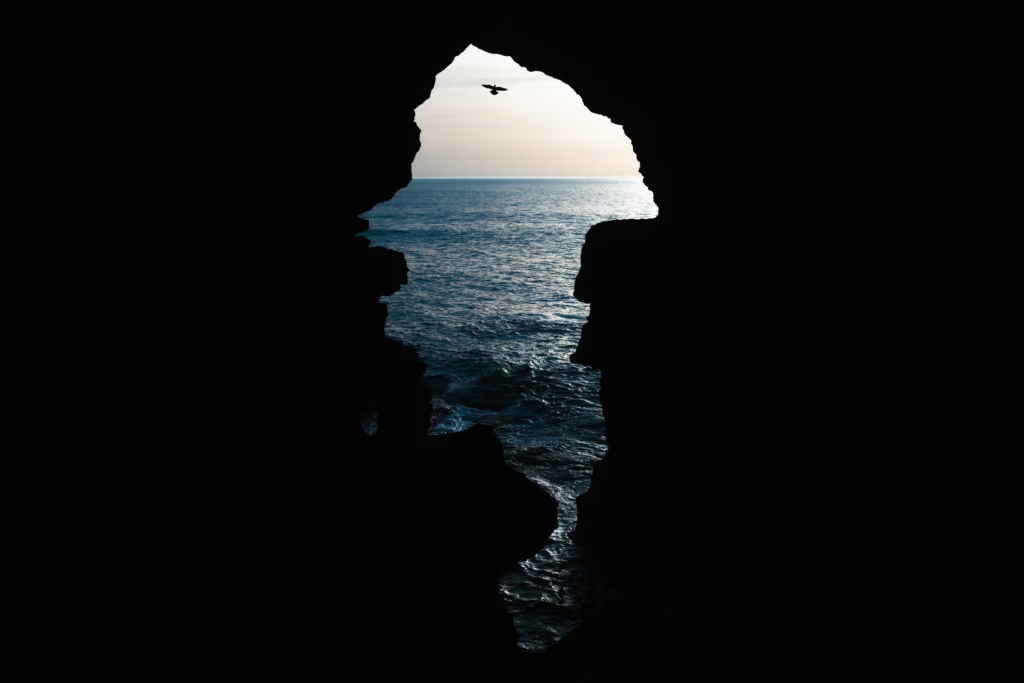
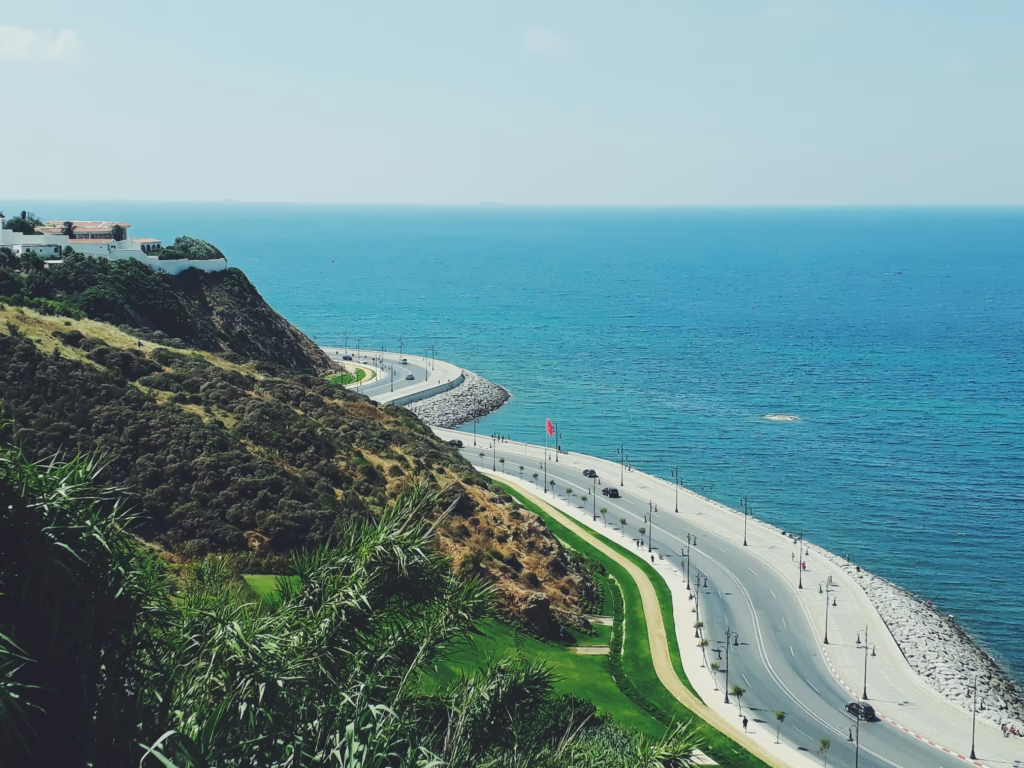
Northern Morocco’s history spans thousands of years, making it one of the oldest and most historically significant areas in North Africa. Over the centuries, this region has been shaped by various civilizations, each leaving behind a rich cultural heritage.
- The Spanish Influence:
One of the most notable landmarks in Northern Morocco is the Spanish Mosque, located in the hills above the city of Tangier. This mosque, built during the Spanish colonial period, offers a stunning panoramic view of the city and the surrounding coastline. It’s a perfect spot to appreciate the architectural fusion of Moroccan and Spanish styles. - 15th Century Legacy:
The influence of the 15th century is particularly evident in cities like Tangier and Chefchaouen. These cities were key players in trade routes and have deep historical roots, with stories of explorers, traders, and travelers like Paul Bowles, who fell in love with the unique atmosphere of the region. The blend of ancient traditions and modern life in present-day Northern Morocco makes it a living testament to its storied past. - The Rif Mountains and Moulay Idriss:
The Rif Mountains, one of Morocco’s most spectacular natural wonders, run through the northern region. This mountain range offers breathtaking views and is home to several towns, including the city of Chefchaouen—famous for its blue-painted buildings and narrow, winding streets. The city is also known as the “Blue Pearl,” a name that reflects the beauty of its surroundings. Nearby, the town of Moulay Idriss is a sacred destination, attracting visitors who want to explore the mausoleum of the founder of the Idrissid dynasty, which played a crucial role in Morocco’s Islamic history.
Northern Morocco: A Blend of Nature and Cityscapes
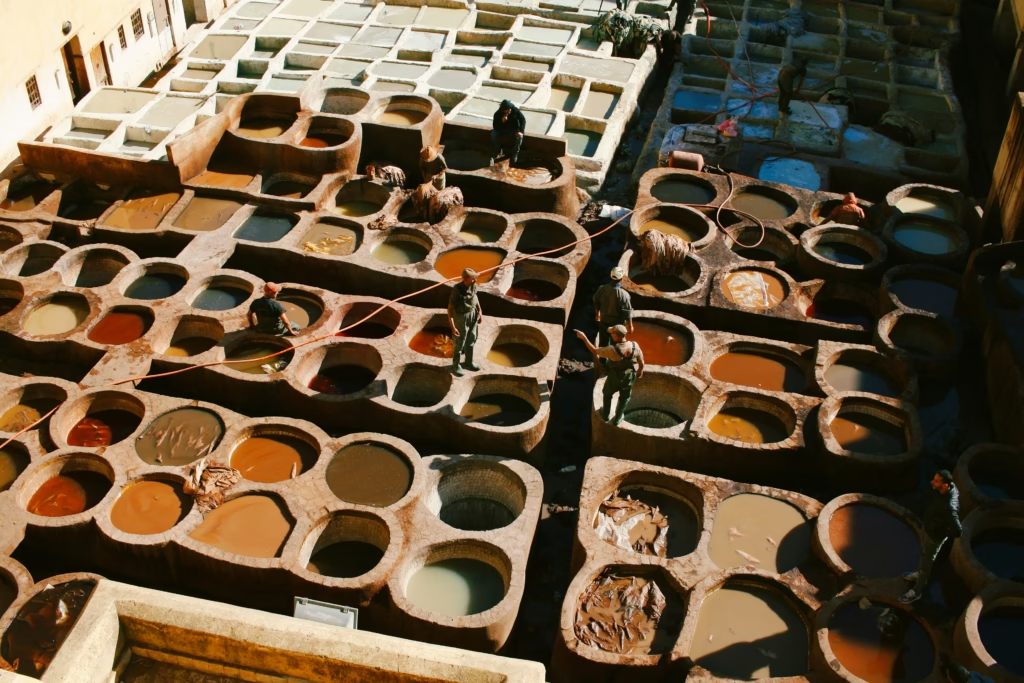
The views of the city of Tangier, one of the most prominent cities in Northern Morocco, offer an incredible sight of the coastline, blending the Atlantic Ocean and the Mediterranean Sea. Visitors are often struck by the beauty of the Cap Spartel, where the waters of the Atlantic meet the Mediterranean in a dramatic display of nature’s power.
- The Chouara Tannery in Fez, though not in Northern Morocco directly, is close enough to provide an excellent glimpse into traditional Moroccan craftsmanship. It’s one of the oldest and most famous tanneries in the world, and a visit offers a unique sensory experience, with vibrant leather dyed in bright shades, left to dry in the open air.
Chefchaouen: The Blue Pearl of Northern Morocco
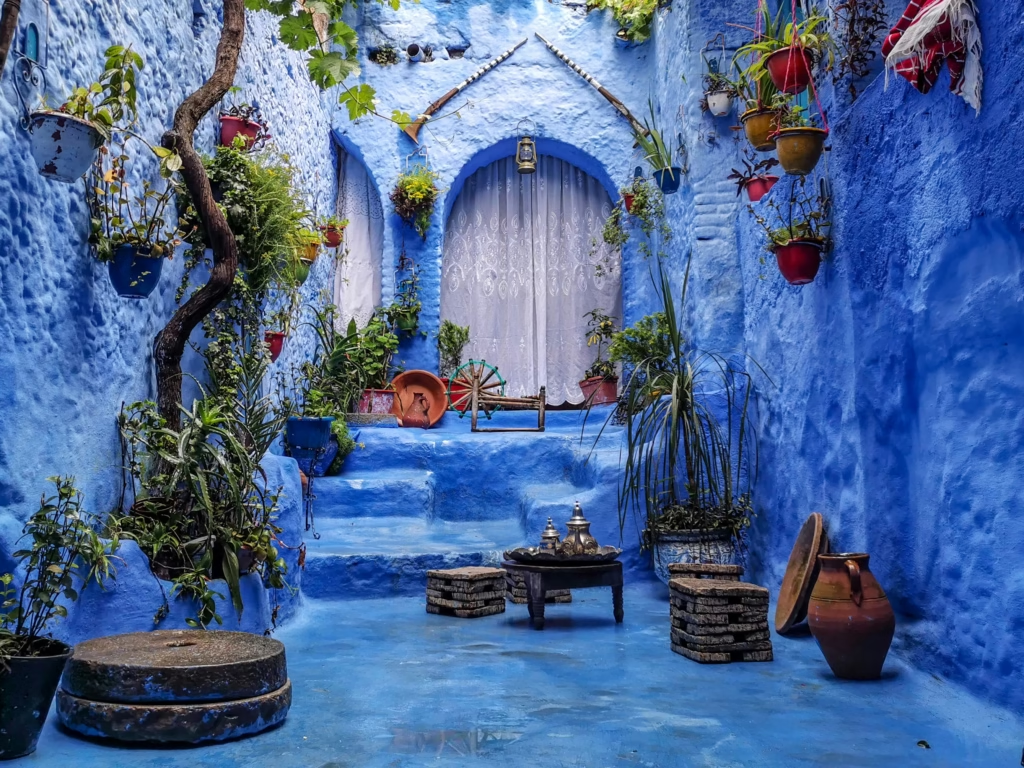
The city of Chefchaouen, often referred to as the “Blue Pearl” of Northern Morocco, is one of the most Instagrammed places in the world. The town is painted in shades of blue, from the doors and walls to the buildings that line the cobblestone streets. Located in the Rif Mountains, Chefchaouen offers a peaceful retreat from the hustle and bustle of larger cities, with its serene ambiance and scenic mountain views.
The City of Tangier: A City at the Crossroads of Civilizations
Tangier, Morocco’s gateway to Europe, has a history that spans over a thousand years. The city has served as a cultural crossroads, attracting travelers, merchants, and diplomats from all over the world. Visitors to Tangier can wander through its medina, a labyrinth of narrow streets filled with souks, cafes, and historical buildings.
Tangier’s views of the city from the hilltops and coastlines are particularly stunning. The Strait of Gibraltar, where the Mediterranean Sea meets the Atlantic Ocean, is a major highlight. The strait has always been a significant location for trade and maritime history. Today, it’s a symbol of the connection between Europe and Africa, with ferries regularly crossing from Tangier to Spain.
The Blue Pearl: Chefchaouen and its Mystique
Chefchaouen’s unique blue color is a mystery. Some say it symbolizes the sky, others suggest it represents peace or the Jewish heritage of the city. Regardless of the theory, Chefchaouen has become synonymous with tranquility. The streets, markets, and buildings are bathed in a calming blue hue, making it a photographer’s paradise. The town is nestled in the Rif Mountains, offering views of lush green valleys and high peaks that make this location even more picturesque.
Conclusion:
Northern Morocco is a region that seamlessly blends history, culture, and nature. From the vibrant city of Tangier, with its blend of European and Moroccan influences, to the tranquility of Chefchaouen, with its serene mountain landscapes and blue-painted walls, Northern Morocco offers something for everyone. Whether you’re interested in exploring ancient sites, relaxing by the Mediterranean, or enjoying the modern-day hustle of Morocco’s capital cities, Northern Morocco promises to deliver an enriching and unforgettable experience.