25 Amazing Facts About Morocco: A Journey Through History, Culture, and Landscapes
Table of Contents
Morocco is a land where the ancient world meets the modern, a place where the scent of cumin and orange blossoms fills the air, and where the horizon stretches from the snow-capped peaks of the Atlas Mountains to the rolling Sahara Desert dunes. For travelers and history buffs alike, discovering amazing facts about Morocco is like peeling back the layers of a richly woven tapestry. From its role as a bridge between Africa and Europe to its deep-seated Berber hospitality, this North African kingdom offers a sensory and intellectual experience unlike any other.
Whether you are planning a trip or simply curious about this vibrant nation, these unique facts about Morocco will reveal why it remains one of the most captivating destinations on Earth. In this deep dive, we explore the interesting things about Morocco that define its identity, from the leather tanneries of Fes to the Chefchaouen blue city.
1. A Gateway Between Continents
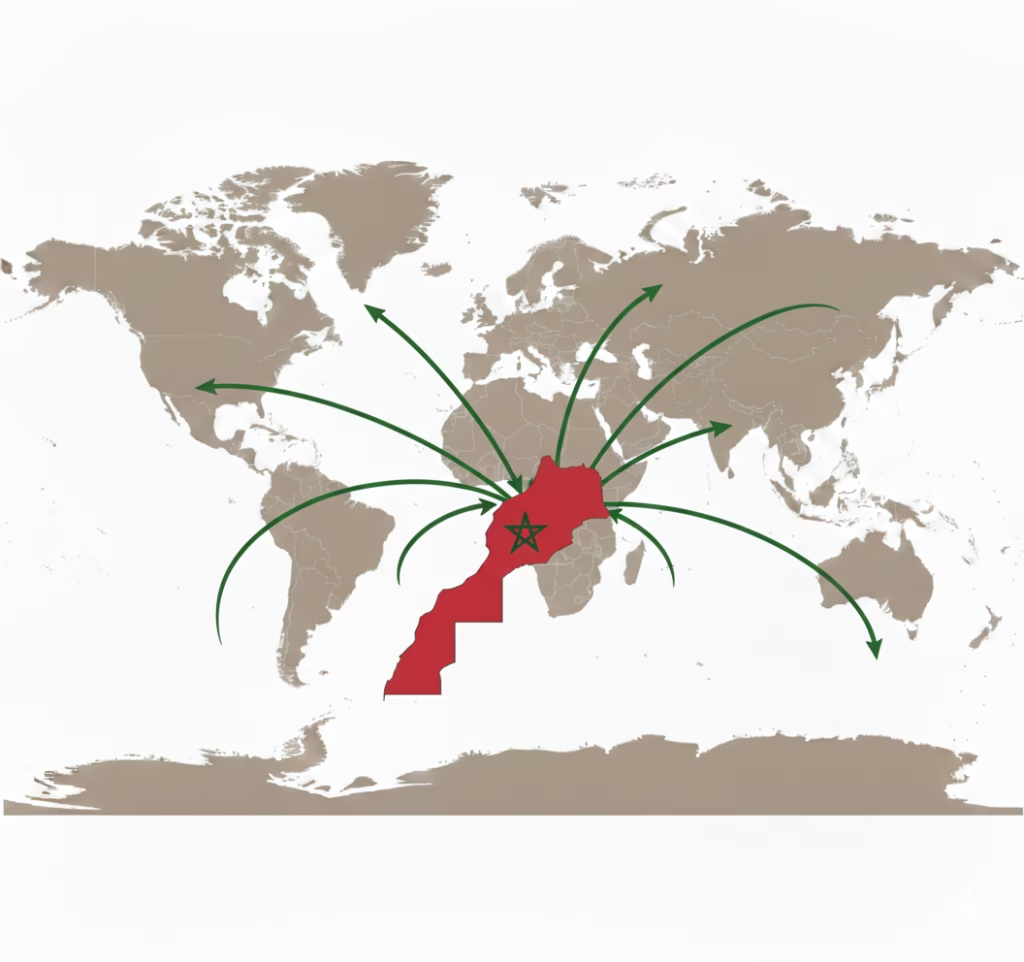
One of the most geographically amazing facts about Morocco is its proximity to Europe. At its closest point, Morocco is only 8 miles from Spain across the Strait of Gibraltar. This narrow stretch of water separates the African continent from the European mainland, yet the cultural exchange between the two has been flowing for millennia. On a clear day, you can stand on the northern coast of Morocco and see the Rock of Gibraltar shimmering in the distance.
2. The Oldest Operating University in the World
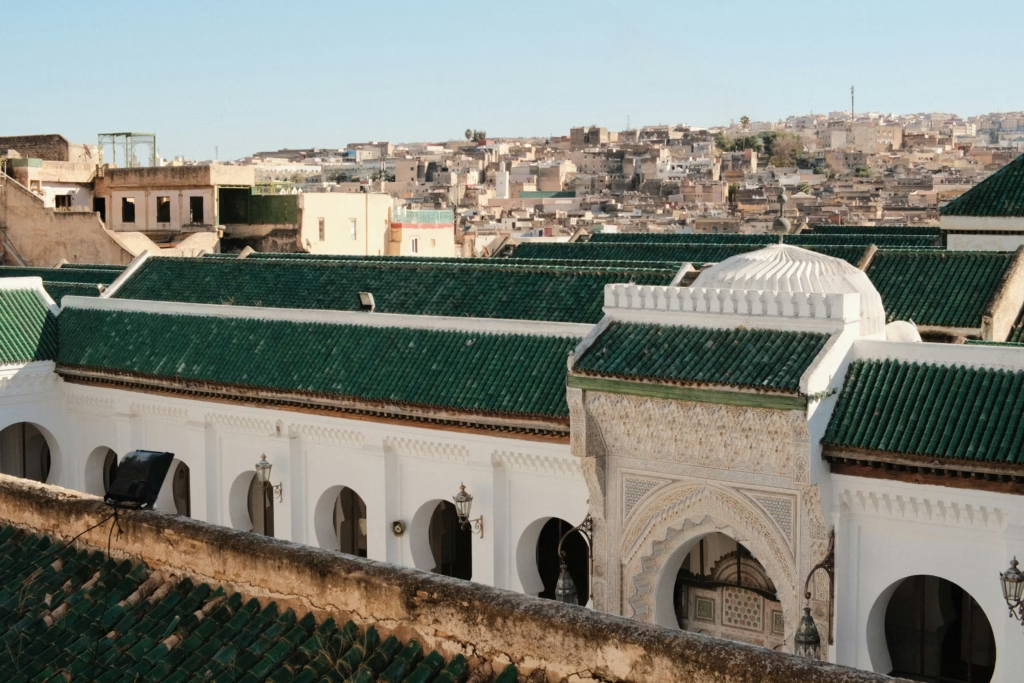
While many look to Europe for the origins of higher education, Morocco holds a prestigious title. Located in the heart of the Fes medina, Al-Qarawiyyin University was founded in 859 AD by Fatima al-Fihri. It is recognized by UNESCO and Guinness World Records as the oldest operating university in the world. This center of learning predates the University of Oxford and has been a cornerstone of Islamic architecture and scholarship for over a thousand years.
3. The First Friend of the United States
In a surprising historical twist, Morocco was the first country to recognize American independence. In 1777, during the American Revolutionary War, Sultan Mohammed III declared that American merchant ships would be under the protection of the sultanate and could enjoy safe passage. The Moroccan-American Treaty of Friendship, signed in 1786, remains the longest-standing unbroken friendship treaty in U.S. history.
4. A Land of Nine UNESCO World Heritage Sites
Morocco’s commitment to preserving its history is evident in its UNESCO World Heritage Sites. The country currently boasts nine recognized locations, including the Medina of Marrakesh, the historic city of Meknes, and the Volubilis Roman ruins. These sites offer a glimpse into the various civilizations that have called this land home, from the Romans to the Idrisid dynasty.
5. The Roof of North Africa: Jebel Toubkal
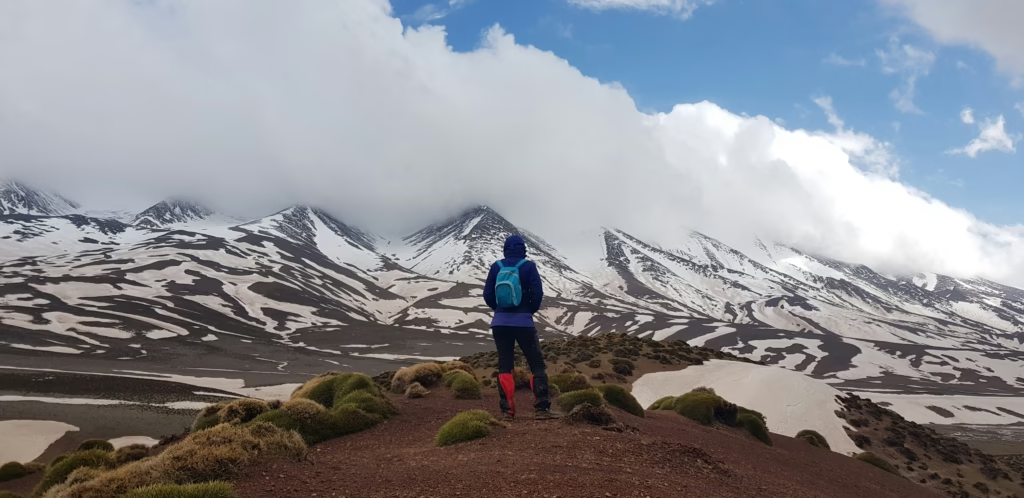
For those who associate Africa only with heat, the Moroccan landscape offers a chilly surprise. Jebel Toubkal, located in the High Atlas, stands at 4,167 meters, making it the highest peak in North Africa. Atlas Mountains trekking is a world-class activity, attracting hikers who wish to conquer this summit. In the winter, the peaks are covered in thick snow, providing a stark contrast to the desert below.
6. Skiing in Africa? Welcome to Oukaimeden
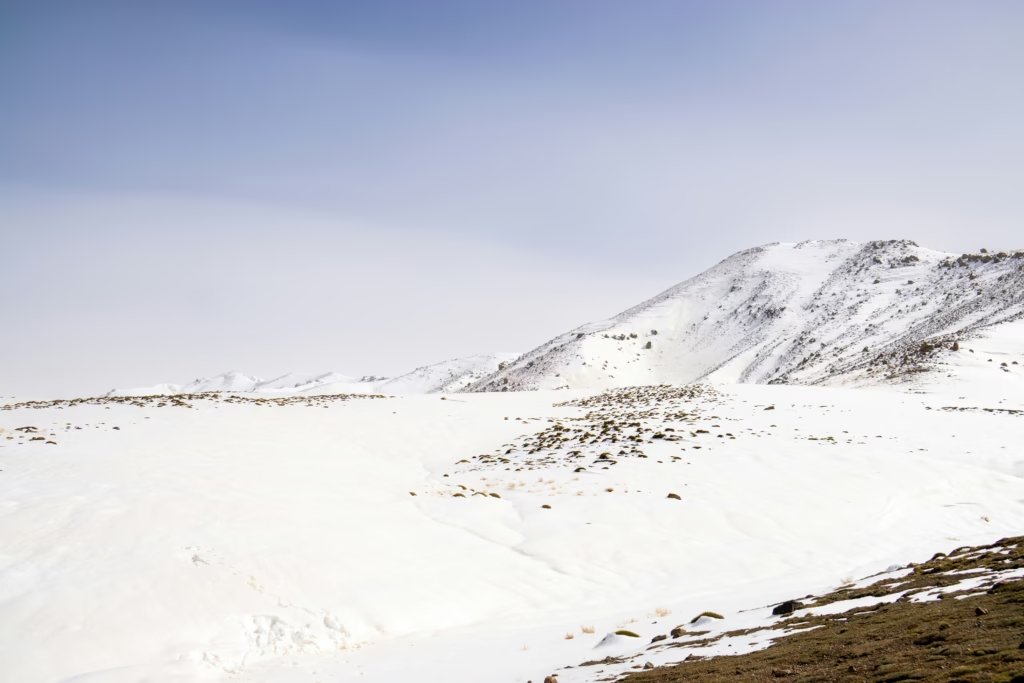
Following the theme of surprising altitudes, Morocco is one of the few places in Africa where you can go skiing. Oukaimeden skiing resort is the highest of its kind on the continent. Located just 80 kilometers from the bustling, sunny streets of Marrakesh, it allows visitors to experience the thrill of the slopes before returning to the warmth of a palm-fringed riad for dinner.
7. The Golden Liquid: Argan Oil Production
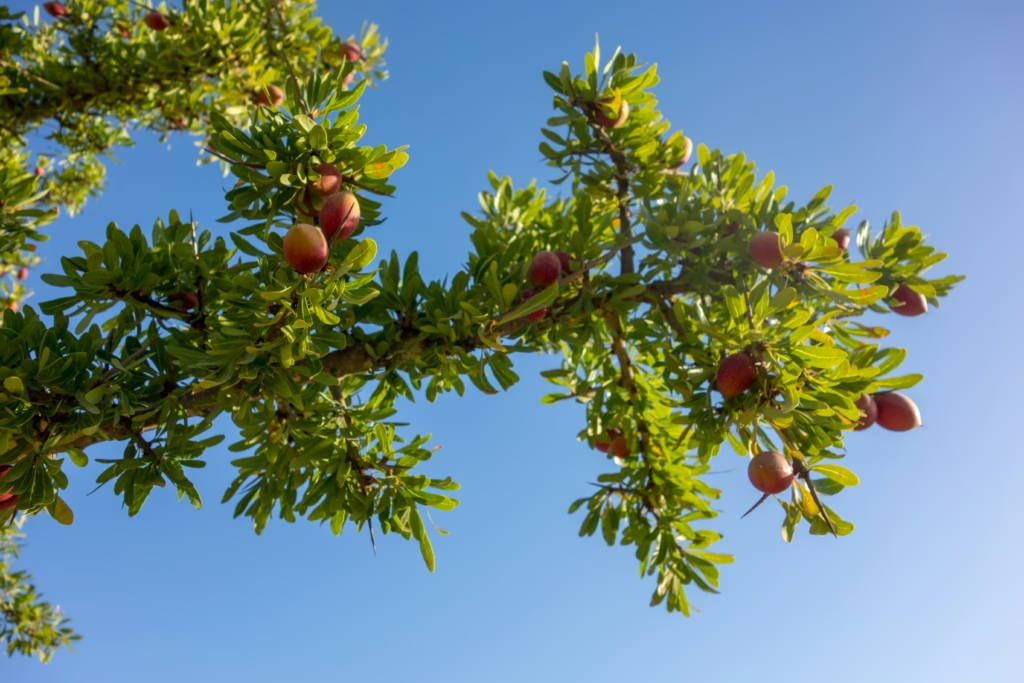
If you’ve ever used high-end hair or skincare products, you’ve likely encountered “Liquid Gold.” Argan oil production is exclusive to Morocco, as the Argania spinosa tree grows almost nowhere else in the world. The extraction process is traditionally performed by Berber women’s cooperatives, who hand-crack the nuts to produce the oil. This liquid gold is used for both cosmetic and culinary purposes and is a vital part of the local economy.
8. Berber Hospitality and Amazigh Culture
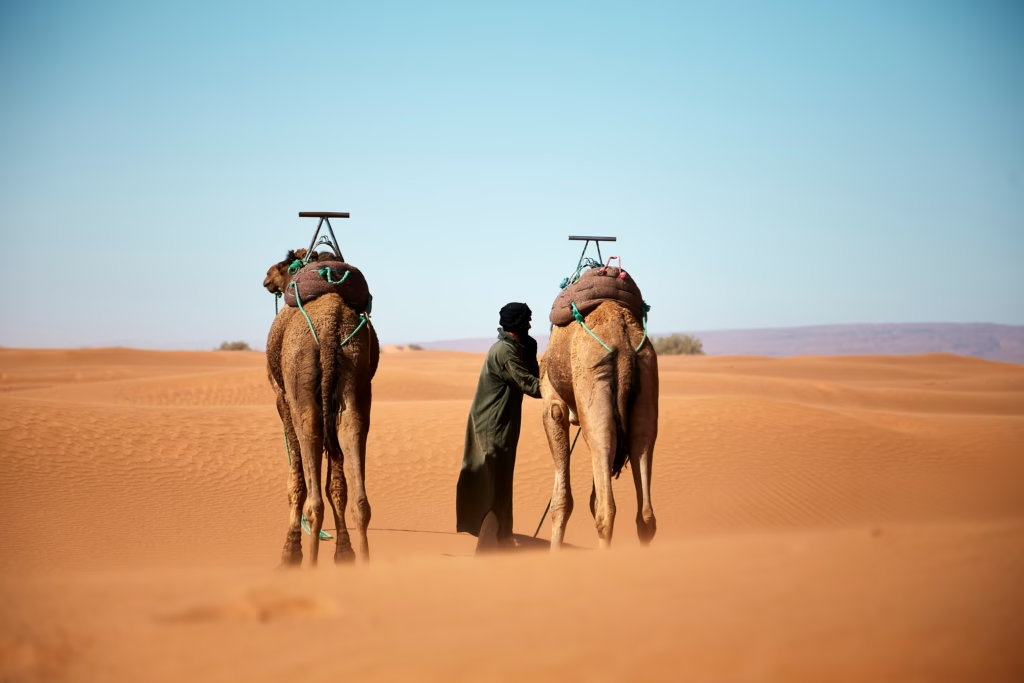
The soul of Morocco lies in its people. While Arabic is an official language, the indigenous Amazigh culture (often referred to as Berber) is the bedrock of Moroccan identity. Berber hospitality is legendary; it is not uncommon for a stranger to be invited into a mountain home for a meal. The Amazigh people have their own distinct language (Tamazight), alphabet (Tifinagh), and artistic traditions that predate the Arab arrival by centuries.
9. The Language: Moroccan Darija
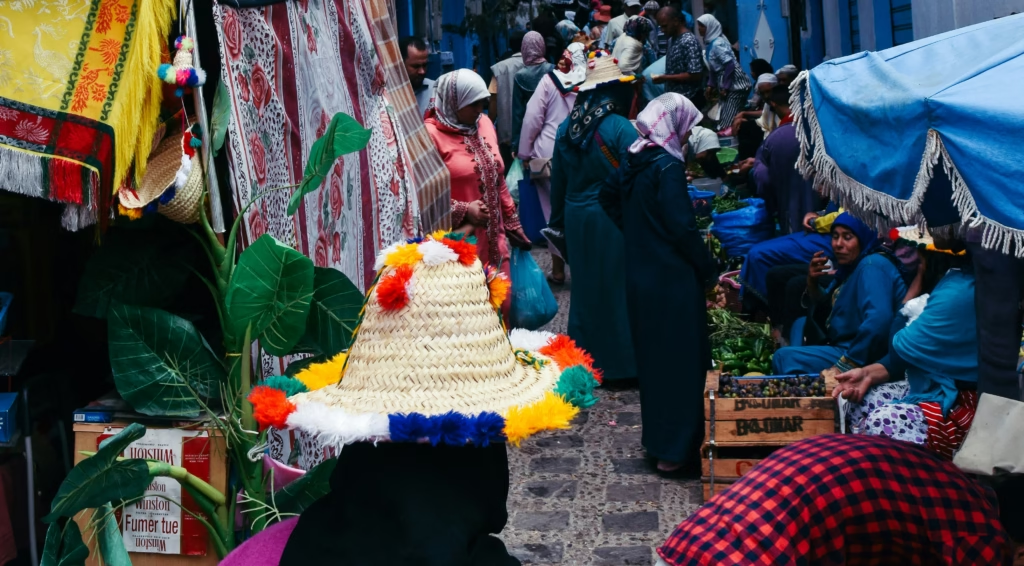
While Modern Standard Arabic is used in government and news, the streets speak Moroccan Darija. This dialect is a fascinating linguistic cocktail, blending Arabic with Berber, French, Spanish, and even a hint of Portuguese. It is unique enough that speakers of Middle Eastern Arabic dialects often find it difficult to understand, making it a true symbol of Morocco’s “melting pot” history.
10. The Mint Tea Ritual
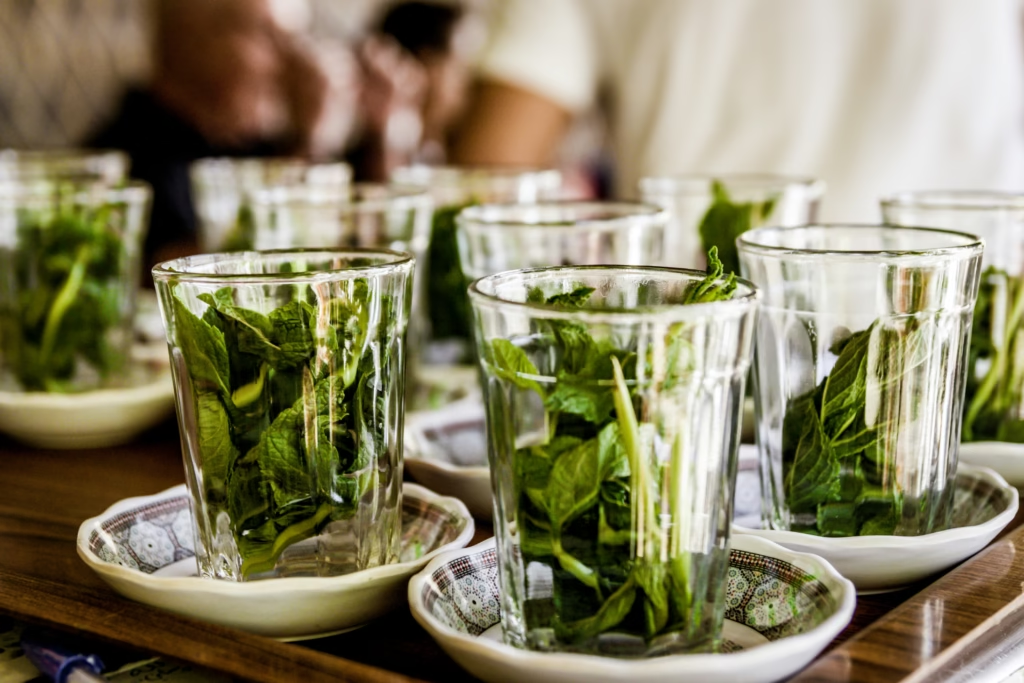
In Morocco, tea is more than just a drink; it is a gesture of welcome and a social requirement. The mint tea ritual, often jokingly called “Berber Whiskey,” involves green tea, fresh mint leaves, and a generous amount of sugar. The tea is poured from a height to create a frothy layer of foam on the glass, which is said to enhance the flavor and oxygenate the brew. Turning down a cup of tea is often seen as a polite offense!
11. The Tradition of Friday Couscous

Food is the heart of the Moroccan home, and no dish is more iconic than Friday couscous. Following the midday prayers on the Muslim holy day, families gather around a large communal platter of steamed semolina topped with seven vegetables and meat. The tradition of eating together from one plate signifies unity and shared blessings.
12. The Ancient Leather Tanneries of Fes
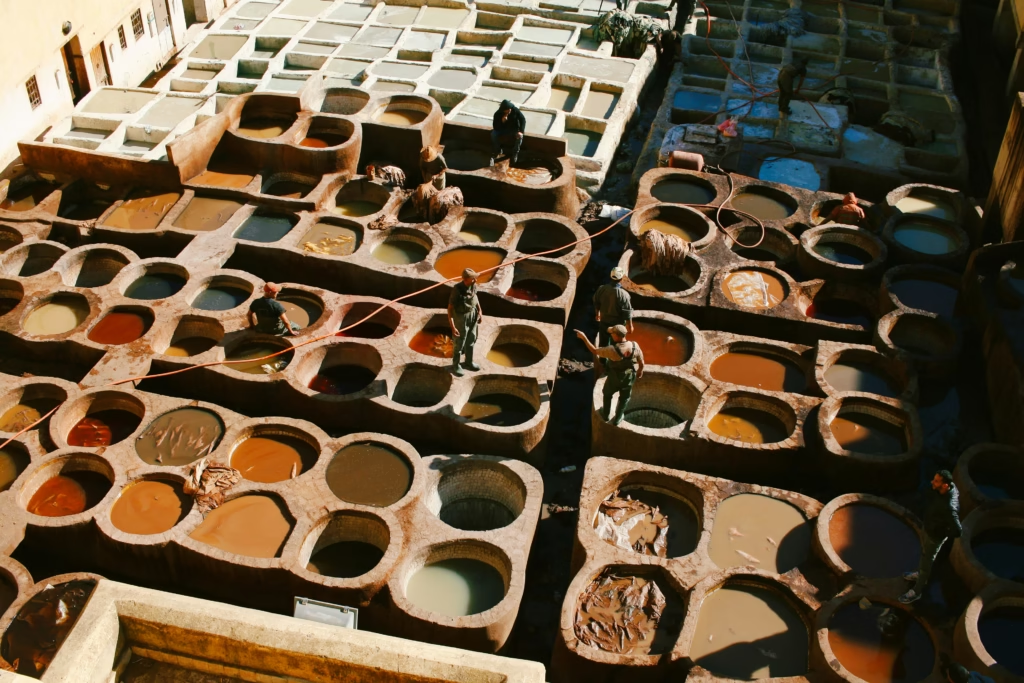
Walking through the Fes medina, you might be guided by a pungent scent toward the leather tanneries of Fes. The Chouara Tannery is the most famous, where leather has been processed in the same way since the 11th century. Workers stand in stone vessels filled with natural dyes and pigeon droppings (used for softening) to create the vibrant hides used for Morocco’s famous bags, shoes, and jackets.
13. Chefchaouen: The Blue City
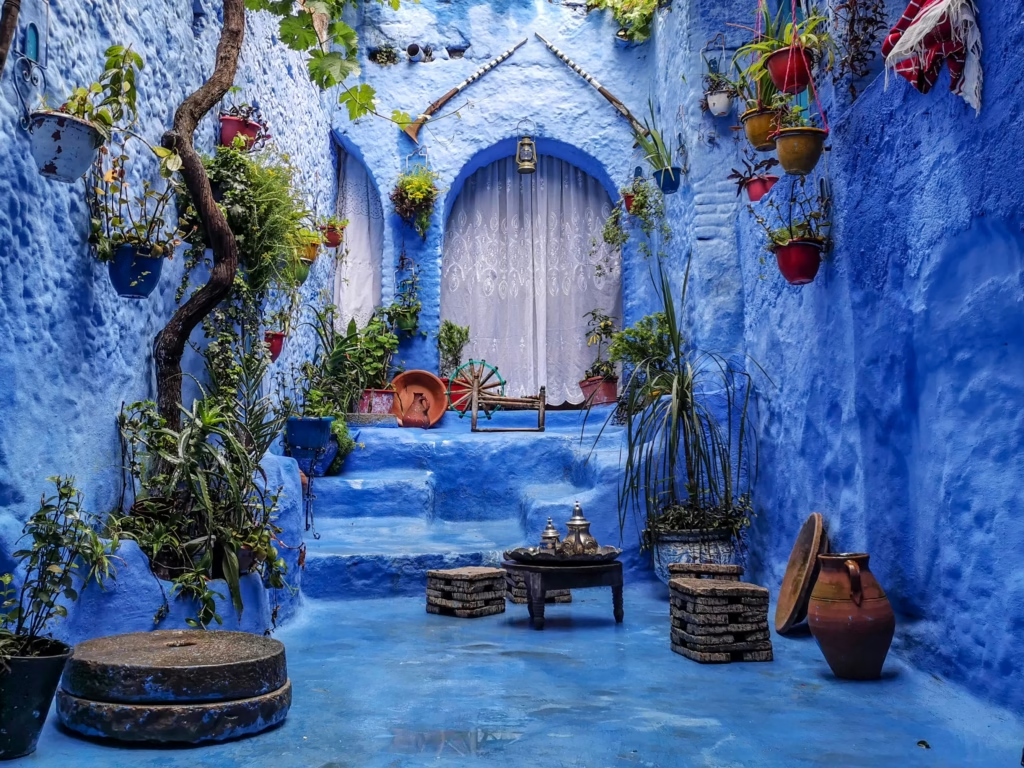
One of the most photogenic and interesting things about Morocco is the town of Chefchaouen. Tucked away in the Rif Mountains, the entire medina is painted in shades of azure and sky blue. While theories about the color range from deterring mosquitoes to Jewish refugees painting it to represent the sky and heaven, the result is a dreamlike atmosphere that attracts travelers from across the globe.
14. Ouarzazate: The “Hollywood” of Africa
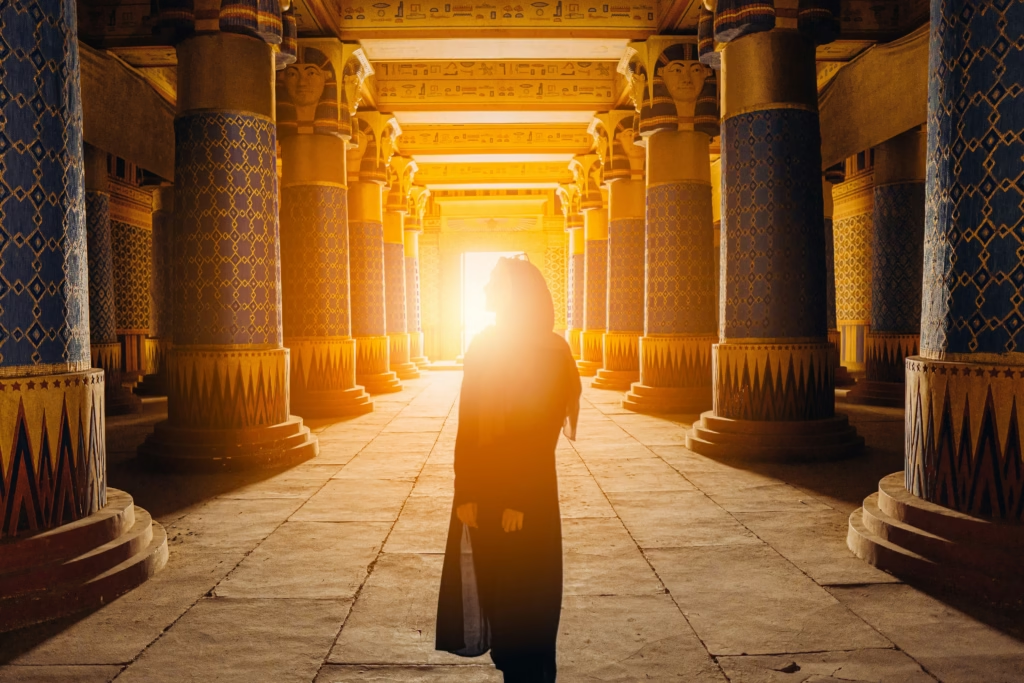
If you’ve watched Gladiator, Game of Thrones, or Lawrence of Arabia, you’ve seen Morocco. Ouarzazate film studios (Atlas Studios) are among the largest in the world. The surrounding desert landscape and ancient architecture make it a perfect stand-in for Jerusalem, Egypt, or fictional lands like Westeros.
15. The Majestic Ait Benhaddou Ksar
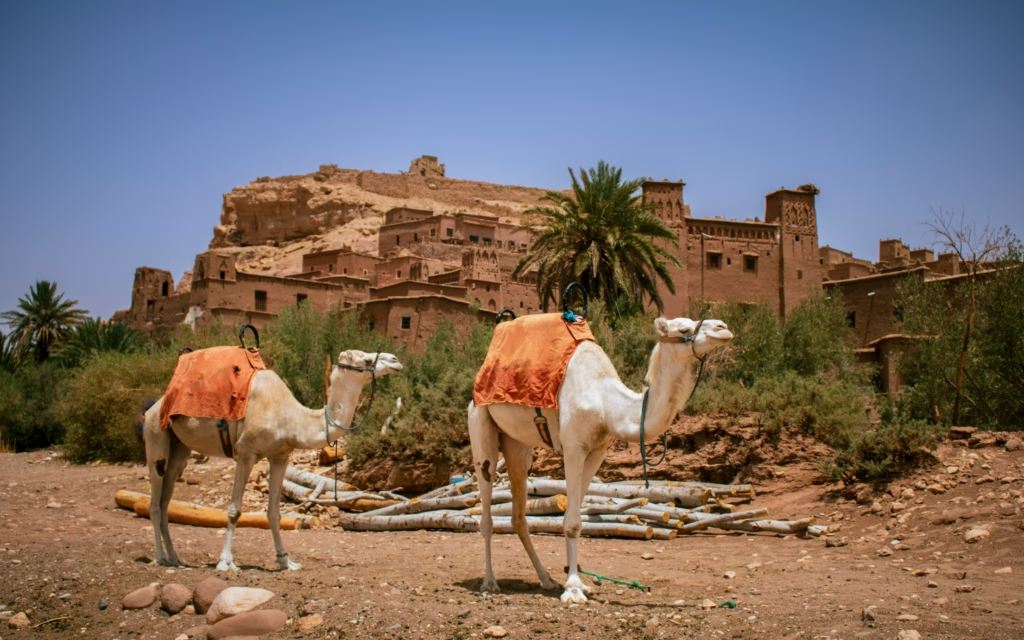
Near Ouarzazate lies Ait Benhaddou ksar, a fortified village made of earthen clay. This stunning example of southern Moroccan architecture is a UNESCO site and has been the backdrop for countless films. Walking through its narrow, winding passages feels like stepping back 500 years in time.
16. Volubilis: A Roman Outpost
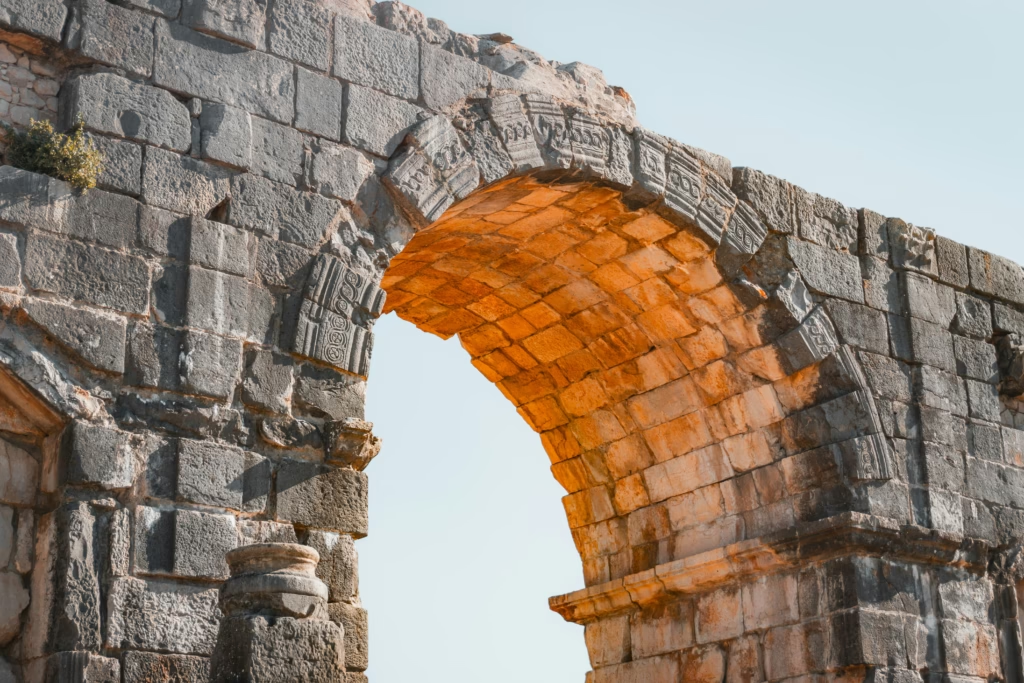
Many are surprised to find extensive Roman ruins in North Africa. Volubilis Roman ruins were once the capital of the kingdom of Mauretania and a remote outpost of the Roman Empire. Today, visitors can walk among remarkably preserved floor mosaics, triumphal arches, and columns that look out over the fertile plains near Meknes.
17. The Art of Zellige Tilework
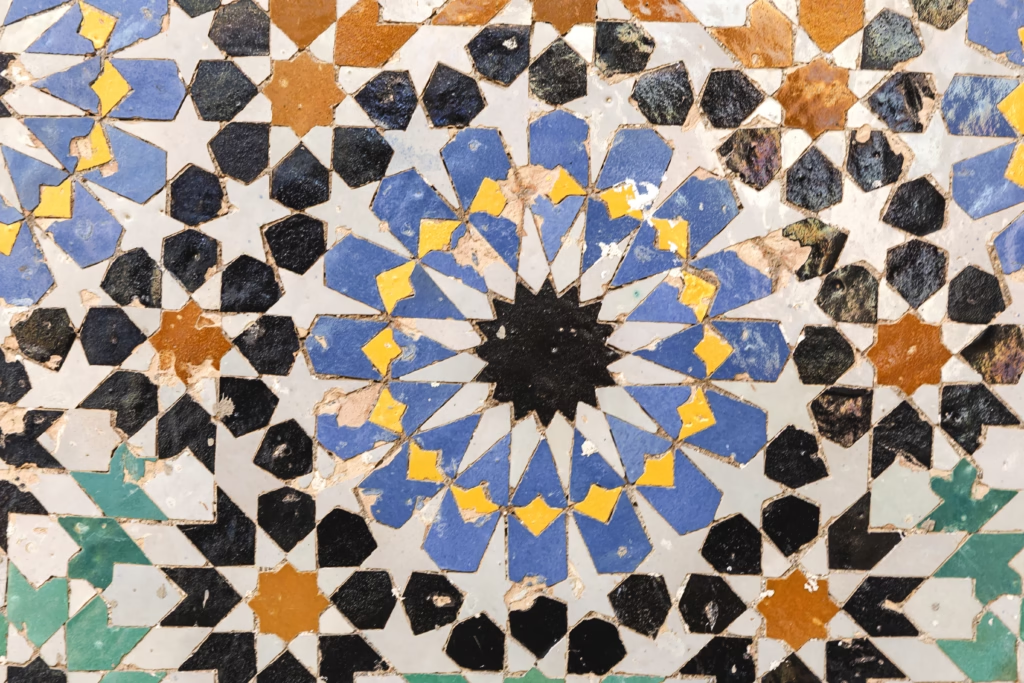
Moroccan aesthetics are defined by Zellige tilework. This intricate art form involves hand-cutting geometric shapes from glazed terracotta tiles and assembling them into complex mosaics. You can see this Islamic architecture staple in mosques, palaces, and public fountains, representing the mathematical precision and artistic devotion of Moroccan craftsmen.
18. The Tranquility of Moroccan Riads
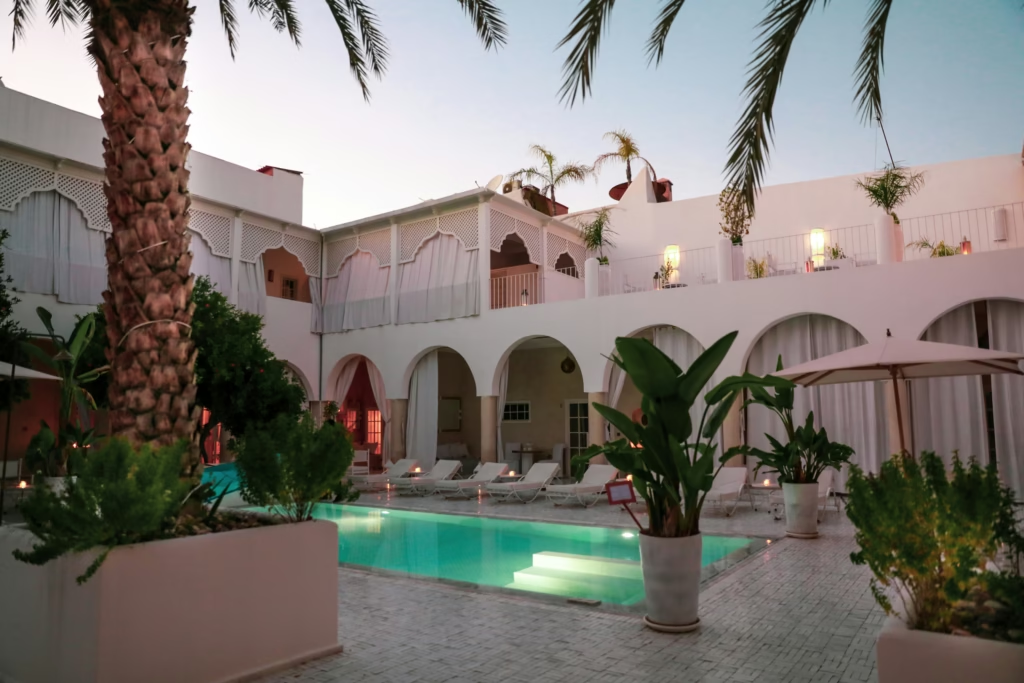
In the chaotic heart of the medinas, Moroccan riads offer a sanctuary of peace. A riad is a traditional house or palace with an interior garden or courtyard. The windows face inward toward the central courtyard, often featuring a fountain or pool. This design ensures privacy and keeps the interior cool, reflecting the Islamic value of “inner beauty” over outward display.
19. The Red City: Marrakesh
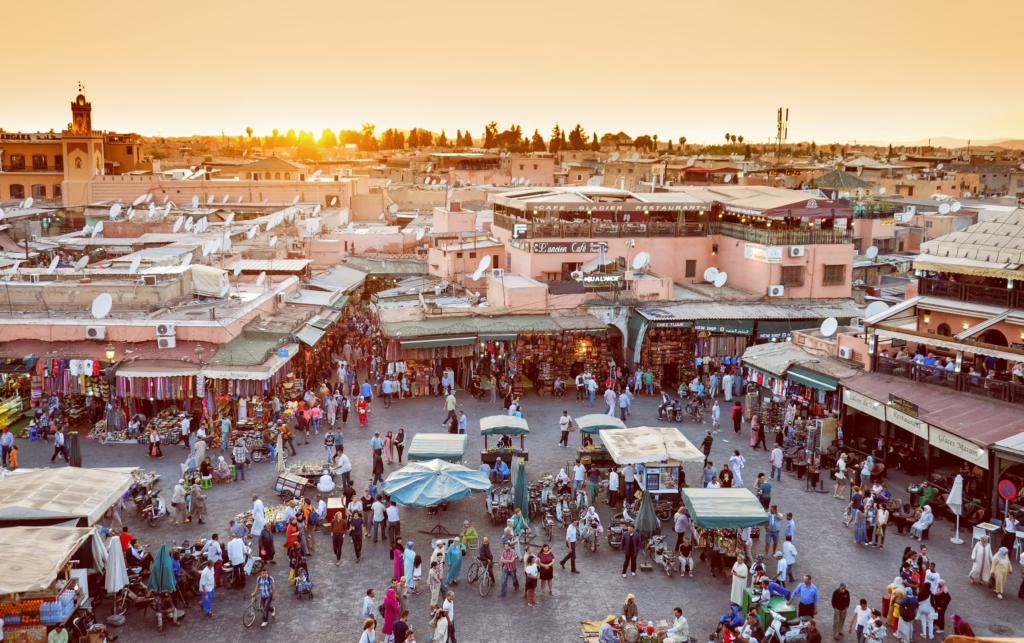
Marrakesh is known as the “Red City” because of the red sandstone used to build its walls and buildings during the Almoravid dynasty. The heart of the city, Jemaa el-Fnaa square, is a dizzying spectacle of snake charmers, storytellers, and food stalls—a place where the medieval world is very much alive.
20. The “Ship of the Desert”
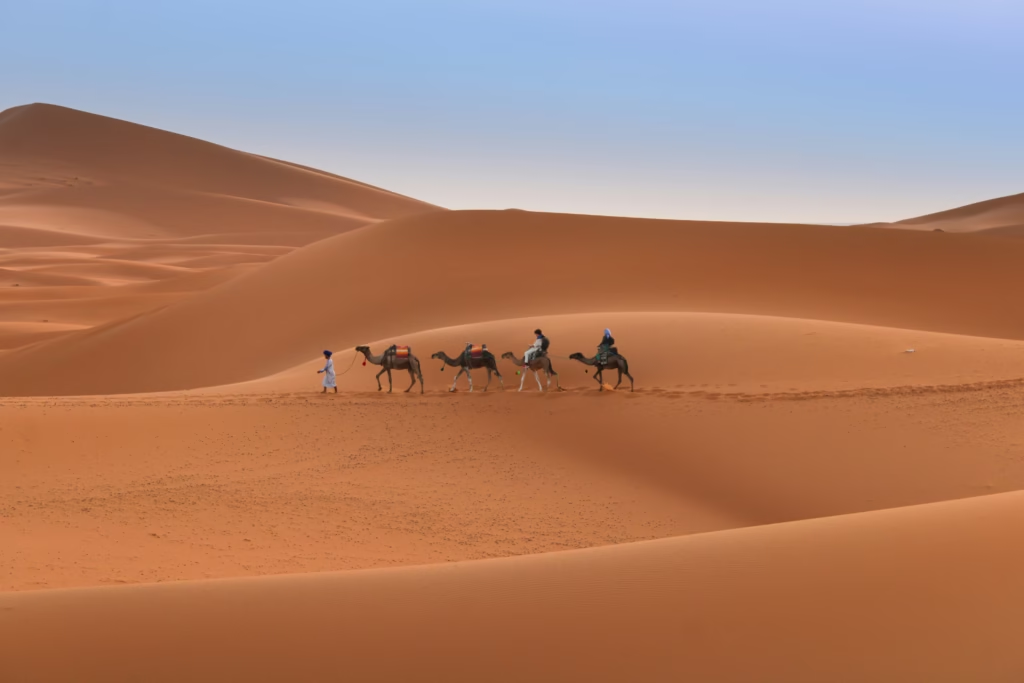
No list of amazing facts about Morocco is complete without mentioning the dromedary camel. These animals were essential for the trans-Saharan trade routes that brought gold and salt to Morocco. Today, a sunset camel trek into the Sahara Desert dunes remains a bucket-list experience for many.
21. Casablanca: More Than a Movie
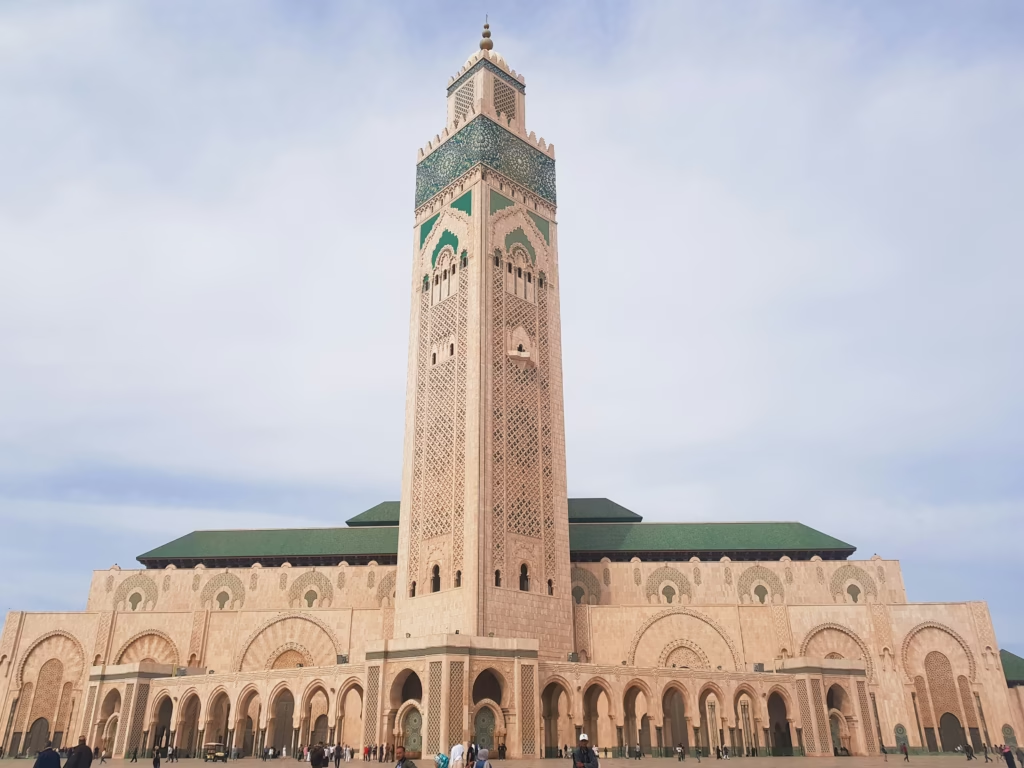
While many know the name from the famous Hollywood film, Casablanca is actually Morocco’s economic powerhouse and its largest city. It is home to the Hassan II Mosque, which features the world’s tallest minaret and a retractable roof, showcasing the pinnacle of modern Islamic architecture.
22. The Valley of Roses

In the Dadès Valley, there is a region known as M’Gouna, where millions of roses bloom every spring. These roses are harvested to create rose water and oil, used in perfumes and cooking. The annual Rose Festival is a fragrant celebration of this local industry.
23. Goat Tree-Climbing
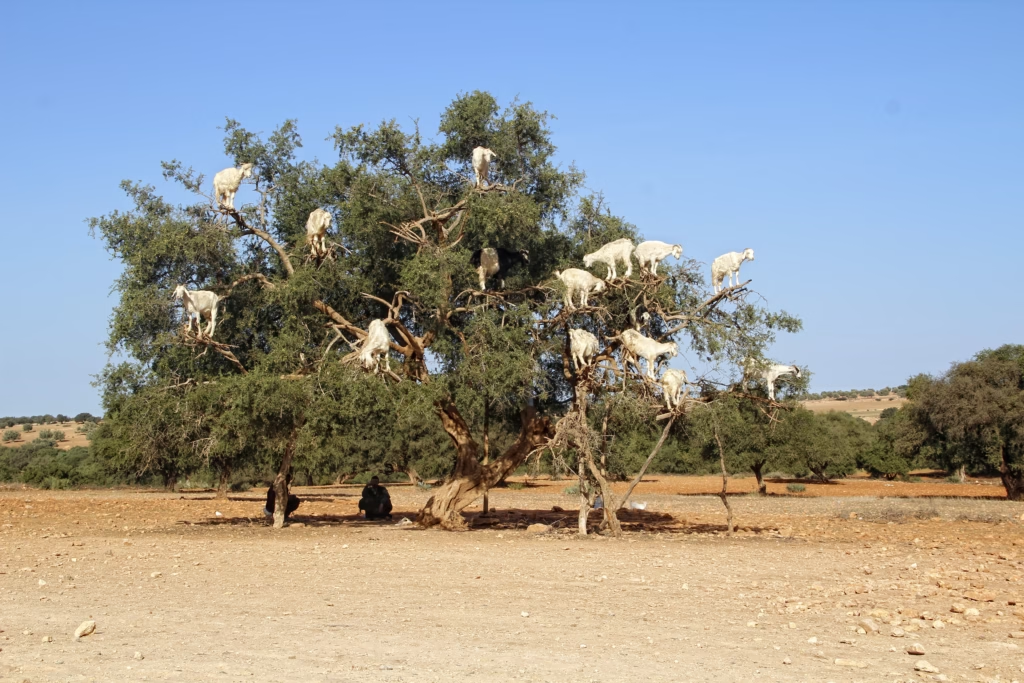
In the Souss-Massa region, it is common to see goats perched high in the branches of Argan trees. The goats climb the trees to eat the fruit, and historically, their waste contained the undigested pits that humans would collect to make Argan oil. Today, it remains one of the most bizarre and unique facts about Morocco for tourists to witness.
24. A History of Religious Tolerance

Throughout history, Morocco has been a haven for different faiths. It once had a massive Jewish population, and the “Mellahs” (Jewish quarters) are still prominent features of many cities. The Moroccan constitution recognizes the Hebraic component of Moroccan identity, a rarity in the Arab world.
25. The Diverse Wildlife of the Atlas
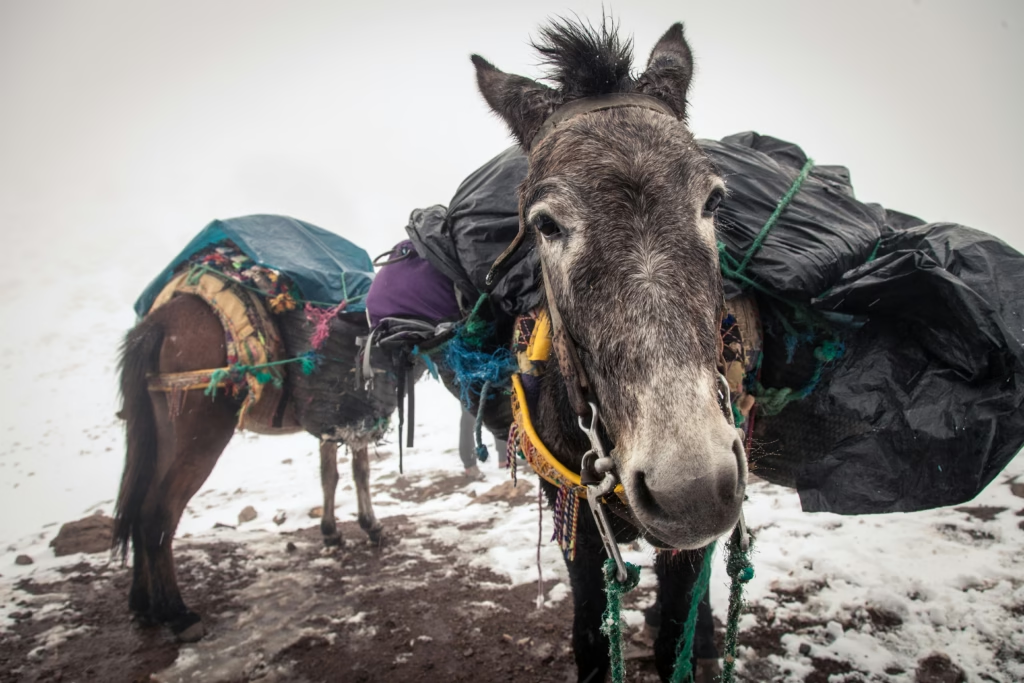
Beyond the camels, the Atlas Mountains are home to the Barbary macaque, the only primate species found north of the Sahara. These monkeys live in the cedar forests of the Middle Atlas and are a reminder of the incredible biodiversity found within the country’s borders.
Conclusion
From the heights of Jebel Toubkal to the intricate patterns of Zellige tilework, Morocco is a country that defies simple categorization. It is a place where history is etched into the walls of every Moroccan riad and where the spirit of Berber hospitality ensures that no traveler is ever truly a stranger. These amazing facts about Morocco only scratch the surface of what this kingdom has to offer. Whether you are exploring the Volubilis Roman ruins or sipping tea during a mint tea ritual, you are participating in a culture that has mastered the art of living beautifully.