Morocco Transit Visa: Complete Guide for Travelers Passing Through Morocco
Table of Contents
Traveling through Morocco on your way to another destination can be smooth and stress-free—if you understand the transit visa rules in advance. Many travelers assume that changing planes is always visa-free, but that is not always the case. Depending on your nationality, length of stopover, and whether you plan to leave the airport, you may need a Morocco transit visa.
This in-depth guide explains everything in simple terms: who needs a transit visa, how airport transit works, required documents, processing time, and the cost of Moroccan visa options. The goal is clarity—no vague advice, no guesswork.
What Is a Morocco Transit Visa?
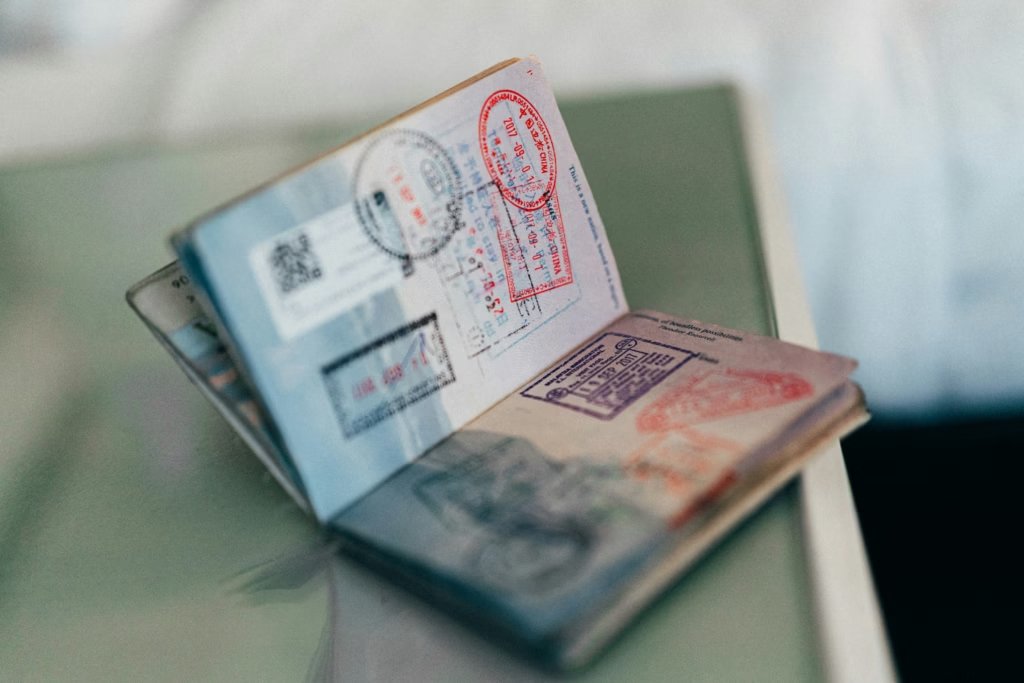
A transit visa allows a traveler to pass through Morocco while en route to a third country. It is designed for short stops and does not grant long-term entry or work rights.
You may need a transit visa if:
- You are changing flights in Morocco
- You leave the airport during a layover
- Your nationality is subject to Moroccan visa requirements
A transit visa is different from a tourist visa, even if your stay in Morocco is very short.
Airport Transit vs Entering Morocco
Understanding this difference is crucial.
Airport Transit (No Entry)
You usually do not need a visa if:
- You stay inside the international transit zone
- You have a confirmed onward ticket
- Your layover is short and you do not pass immigration
This is known as airport transit.
Entering Morocco During Transit
You do need a visa if:
- You leave the airport, even for a few hours
- You collect baggage and re-check it
- Your stopover involves an overnight stay in a hotel
Once you pass border control, it is considered entry—even if you only stay a few hours.
Who Needs a Morocco Transit Visa?
Morocco allows visa-free entry for many nationalities, but others must apply in advance.
You are more likely to need a transit visa if you are a citizen of:
- Countries in South Asia
- Many African countries
- Some Middle Eastern nations
On the other hand, citizens of the EU, UK, USA, Canada, Australia, and several others are generally visa-exempt for short stays.
Rules can change, so always confirm with:
- The Moroccan embassy in your country
- The Ministry of Foreign Affairs
Transit Visa vs Tourist Visa: Which One Applies?
This depends on duration and purpose.
- Transit visa:
Used for short stopovers when passing through Morocco to another destination. - Tourist visa:
Used if you plan to stay longer, explore cities, or remain in Morocco beyond transit needs.
If your transit turns into a longer visit, a tourist visa is usually the safer option.
How Long Can You Stay on a Transit Visa?
A Morocco transit visa is usually issued for very short stays, often:
- 24 to 72 hours
- Single or double entry only
For visa-free nationals, Morocco allows stays of up to 90 days, but this applies to tourist entry, not restricted transit visas.
Always check the exact validity printed on your visa.
Required Documents for a Morocco Transit Visa
While requirements may vary slightly by nationality, most applicants must provide:
Basic Documents
- Valid passport (minimum 6 months validity)
- Completed visa application form
- Passport-size photographs
- Confirmed onward flight ticket
Supporting Documents
- Proof of final destination visa (if required)
- Bank statements showing sufficient funds
- Hotel booking (if leaving the airport)
- Travel itinerary
Some embassies may request additional proof, especially for self-funded travelers.
Bank Statements: Why They Matter
Moroccan authorities want to confirm that you can support yourself during your stay in Morocco—even if it is brief.
Your bank statements should:
- Be recent (last 3–6 months)
- Show stable balance and transactions
- Match your travel plans
Low or inconsistent balances can cause delays or refusal.
Application Process Step by Step
Step 1: Check Visa Requirement
Confirm whether your nationality requires a transit visa.
Step 2: Prepare Documents
Gather all required paperwork, including proof of onward travel.
Step 3: Submit Application
Apply through:
- Moroccan embassy or consulate
- Authorized visa center (if applicable)
Step 4: Pay the Visa Fee
Fees vary by nationality and visa type.
Step 5: Wait for Processing
Processing times can range from a few days to several weeks.
Cost of Moroccan Visa (Transit)
The cost of Moroccan visa depends on:
- Your nationality
- Number of entries
- Processing location
Typical transit visa fees range from:
- Low to moderate government fees
- Additional service charges if using a visa center
Always pay through official channels to avoid scams.
Special Cases: Moroccan Residents and Transit
If you are a Moroccan resident with legal residency status:
- Transit rules may differ
- Additional documents may be required
- Residency cards must be valid
Foreign residents in Morocco transiting to another country should check exit and re-entry conditions carefully.
Can You Extend a Transit Visa?
In most cases, no.
Transit visas are short-term by design and usually cannot be extended. If you expect delays or want flexibility, applying for a tourist visa is a better option.
Overstaying—even by one day—can lead to:
- Fines
- Travel restrictions
- Future visa problems
Common Reasons for Transit Visa Refusal
Understanding these can help you avoid issues:
- Incomplete documents
- Weak or missing bank statements
- Unclear travel purpose
- Missing onward visa
- Suspicion that transit is actually long-term stay
Clear documentation and honesty matter.
Frequently Asked Questions
If you stay inside the airport transit area, usually no. If you exit the airport, yes.
Only if you are visa-free or have an approved visa allowing entry.
Usually no. It is tied to a specific itinerary.
No. The 90 days rule applies to visa-free tourist entry, not transit visas.
Final Thoughts
A Morocco transit visa is simple once you understand the rules—but risky if you assume incorrectly. The key factors are:
- Your nationality
- Whether you leave the airport
- Length of stay in Morocco
- Proper documentation
Always verify current requirements with official sources and plan ahead. A few hours of preparation can save you from denied boarding, missed flights, or unexpected travel stress.
If Morocco is only a stop on your journey, make sure it stays that way—smooth, legal, and hassle-free.