What Does Morocco Mean? Exploring the Rich History and Significance of the Name
Table of Contents
Morocco, a country located in the northwestern corner of Africa, has a history and culture that stretches back thousands of years. The name “Morocco” itself holds deep historical and cultural significance, representing not just a country but a blend of various influences, civilizations, and identities. In this article, we will explore the meaning behind the name “Morocco,” delve into its historical roots, and uncover how this rich meaning ties into the country’s culture, geography, and global identity.
What Does the Name Morocco Mean?
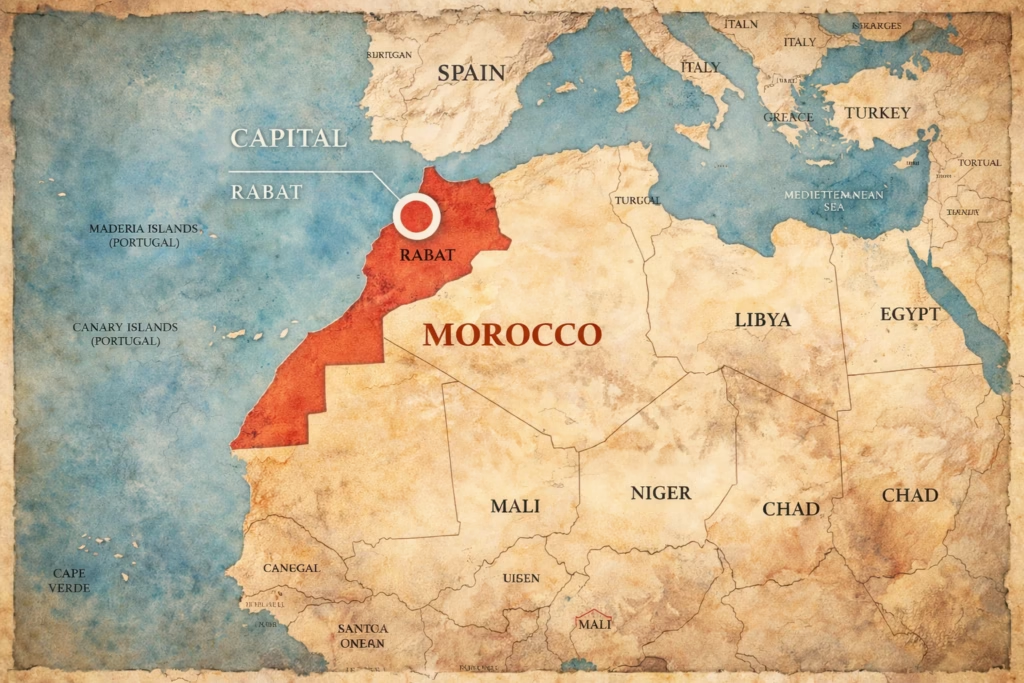
The name “Morocco” is derived from the old Arabic name “Marru’ al-ʾAqṣā,” which translates to “The Furthest West.” This name likely refers to Morocco’s geographical location at the westernmost point of the Arab world. This translation highlights how Morocco historically served as a gateway between Europe and Africa, as well as a critical point in the spread of Islam across the Maghreb region.
The name Morocco, used today, originated from the city of Marrakesh, which was the capital of the Almoravid dynasty. Over time, the name Marrakesh evolved into “Morocco” in the European languages. As such, the name Morocco represents more than just a geographical marker; it’s a reflection of the nation’s historical and cultural development.
Morocco Meaning in Modern Times
Today, the name Morocco is closely tied to the nation’s rich cultural heritage, diverse populations, and historical milestones. With its bustling cities, beautiful landscapes, and vibrant culture, the meaning of Morocco has evolved to encompass the various identities, languages, and traditions that make up this fascinating country. From its renowned cuisine to its warm hospitality and vibrant arts scene, the modern-day meaning of Morocco speaks to its place as an international zone that bridges Europe, Africa, and the Middle East.
The International Zone: A Unique Chapter in Morocco’s History
During the early 20th century, Morocco became an international zone. This unique period in the country’s history lasted from 1912 to 1956 when Morocco was under French and Spanish protectorates, and cities like Tangier were governed as international zones. This era left an indelible mark on the country’s development, creating a melting pot of cultures, languages, and traditions. Morocco’s international zone status helped shape its identity as a crossroads of cultures, contributing to the rich diversity that can still be seen in the country today.
While the international zone no longer exists, the impact of this period is still felt. Cities like Tangier continue to be known for their international flair and cosmopolitan culture, drawing visitors and investors from all over the world.
Morocco’s Capital: Rabat and Its Significance
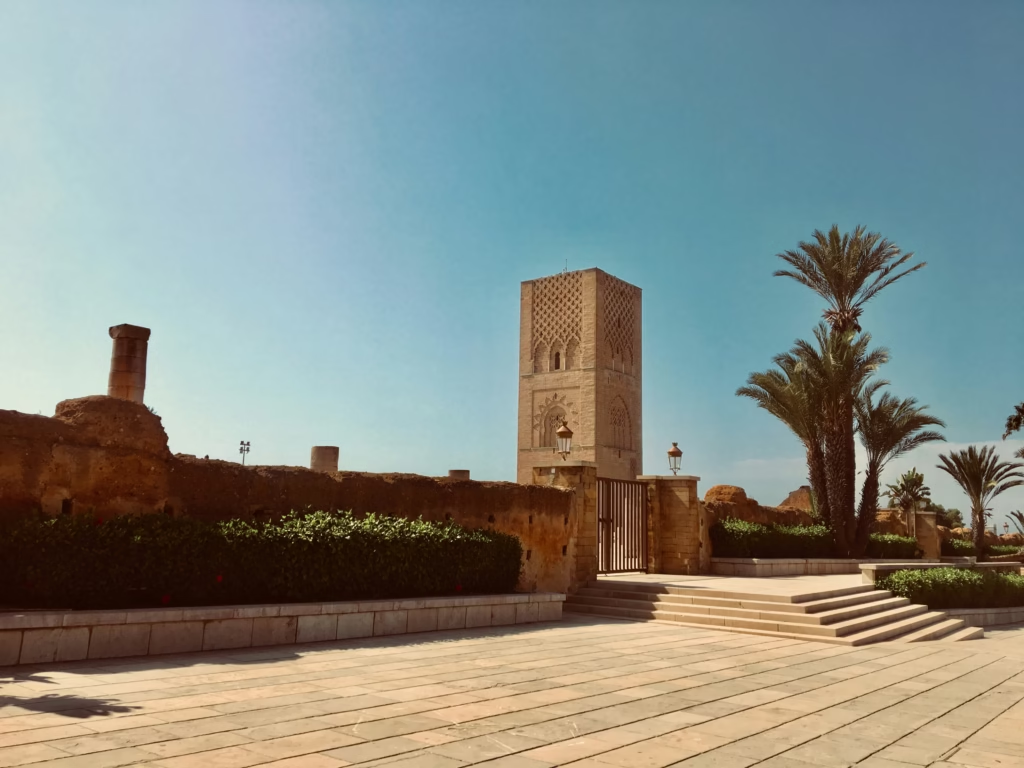
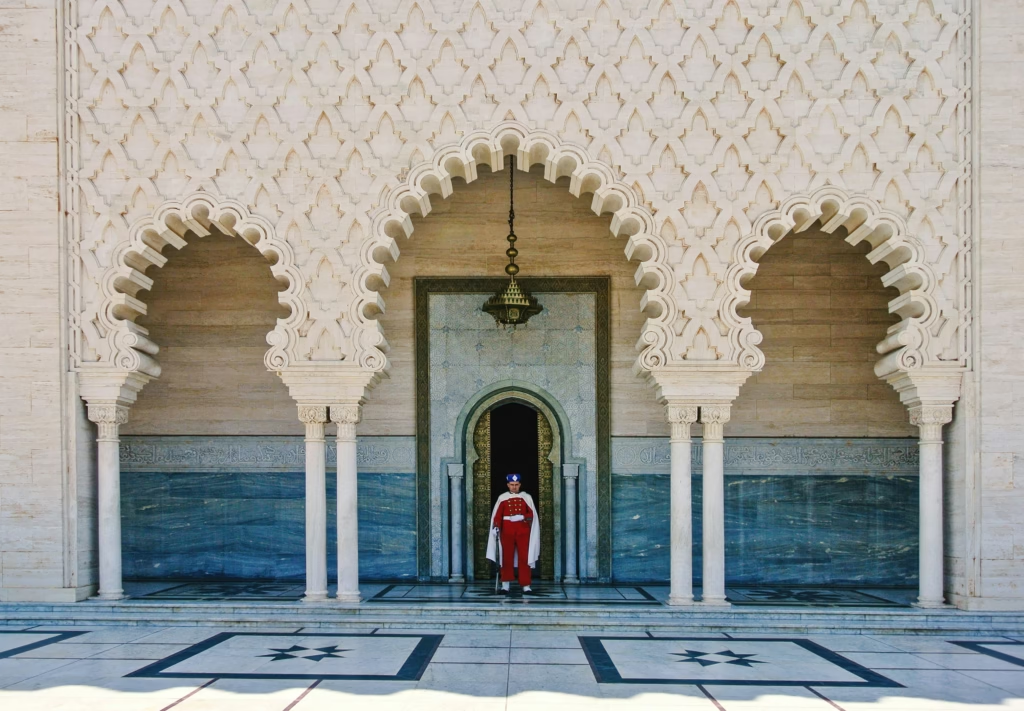
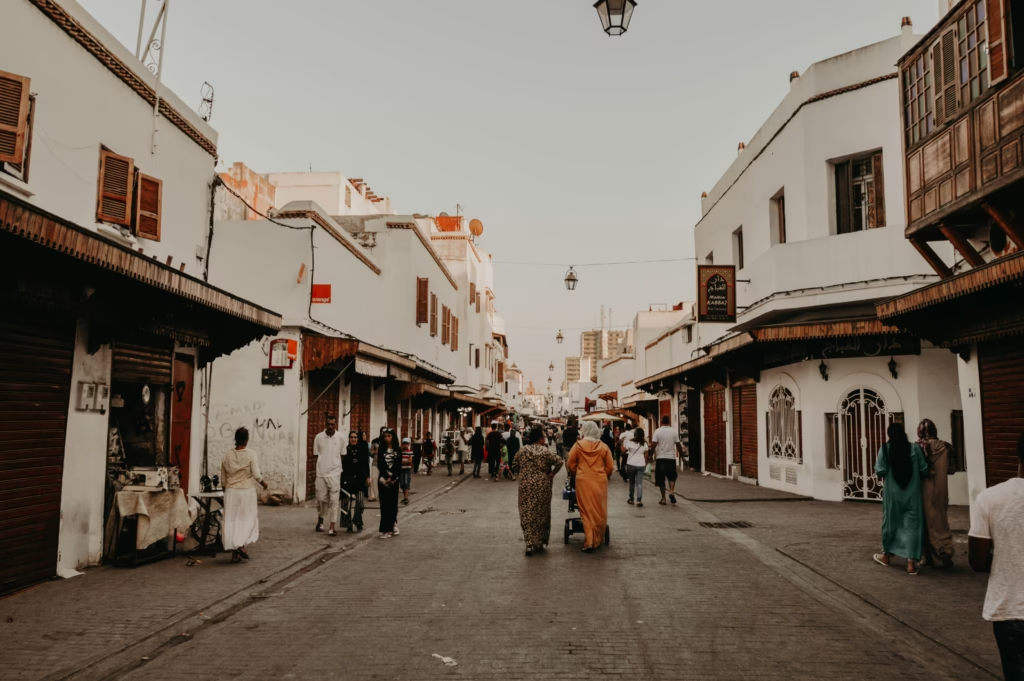
Rabat, the capital of Morocco, plays a central role in the country’s political, economic, and cultural life. As one of the four imperial cities of Morocco, Rabat is a symbol of the nation’s historical significance and its ongoing journey toward modernity. The city is known for its stunning architecture, bustling markets, and cultural landmarks, such as the Hassan Tower and the Royal Palace.
Rabat holds historical importance not only because it is the political heart of Morocco but also because it has served as a symbol of the country’s resilience and independence. Despite Morocco’s long and varied history of foreign influence, Rabat remains a testament to the nation’s enduring strength and sovereignty.
Geographical Significance: A Country Between Continents
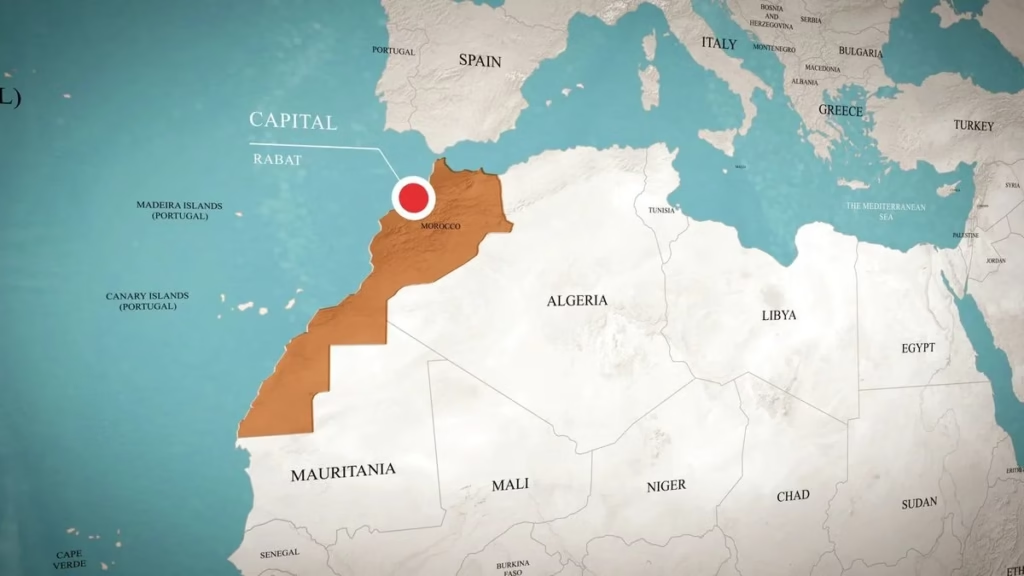
One of the reasons Morocco holds such significant meaning on the global stage is its strategic location. Situated on the edge of the Mediterranean Sea and the Atlantic Ocean, Morocco shares borders with Algeria and Western Sahara. Its proximity to Europe makes it a natural bridge between Africa and Europe, both geographically and culturally.
Morocco’s position as an international zone for centuries has allowed it to serve as a point of contact between African, Arab, and European cultures. Over the years, Morocco has played a vital role in facilitating trade, migration, and cultural exchanges, all of which have contributed to its rich and diverse identity.
The Cultural Influence of Morocco: A Blend of Arab, Berber, and European Roots
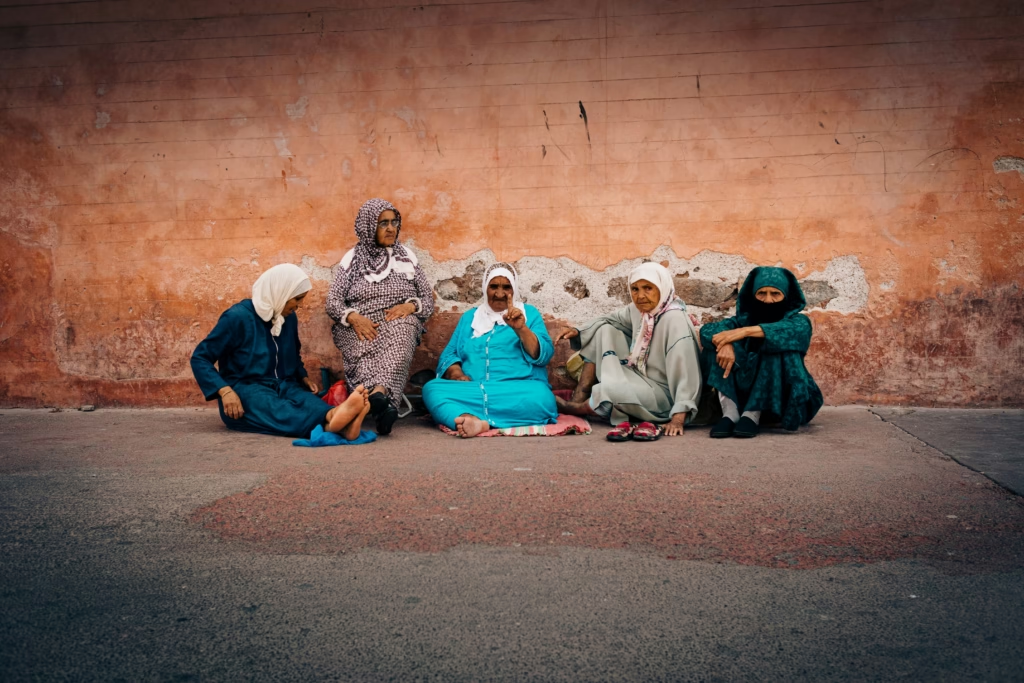
Morocco’s cultural significance is an essential aspect of what the name Morocco means today. The country is a blend of Arab, Berber, and European influences, resulting in a vibrant culture that reflects the diversity of its people.
The Berber people, who have lived in Morocco for thousands of years, are a significant part of the country’s cultural fabric. Their language, traditions, and customs continue to influence Moroccan culture, particularly in rural areas. Similarly, the Arab influence, brought to Morocco during the Islamic expansion in the 7th century, has played a central role in shaping the country’s religious and cultural identity.
European influence, particularly from the French and Spanish, is still visible in Moroccan architecture, cuisine, and language. The French language is widely spoken in Morocco, especially in business and education, making it an important part of the country’s international identity.
Economy and Modern Development
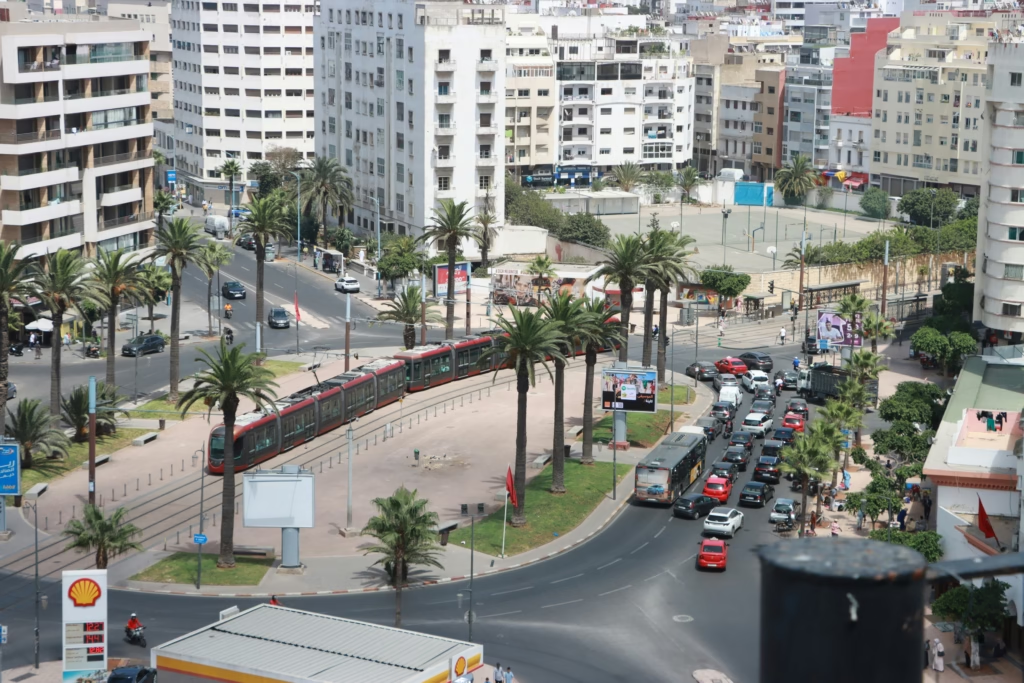
In recent years, Morocco has experienced significant economic growth, particularly in sectors such as tourism, agriculture, and manufacturing. The country’s economy is diversified, with major industries ranging from textiles and mining to renewable energy. Morocco’s strategic location as a gateway to both Europe and Africa has made it an attractive destination for foreign investment, contributing to the nation’s continued development.
The modern meaning of Morocco is also tied to its role as a leader in Africa. The country is a founding member of the African Union and has played a pivotal role in regional politics and diplomacy. Morocco’s participation in international trade agreements and its growing influence in global affairs reflect its evolving identity as a key player in the African and global landscape.
Morocco’s Religious and Social Importance
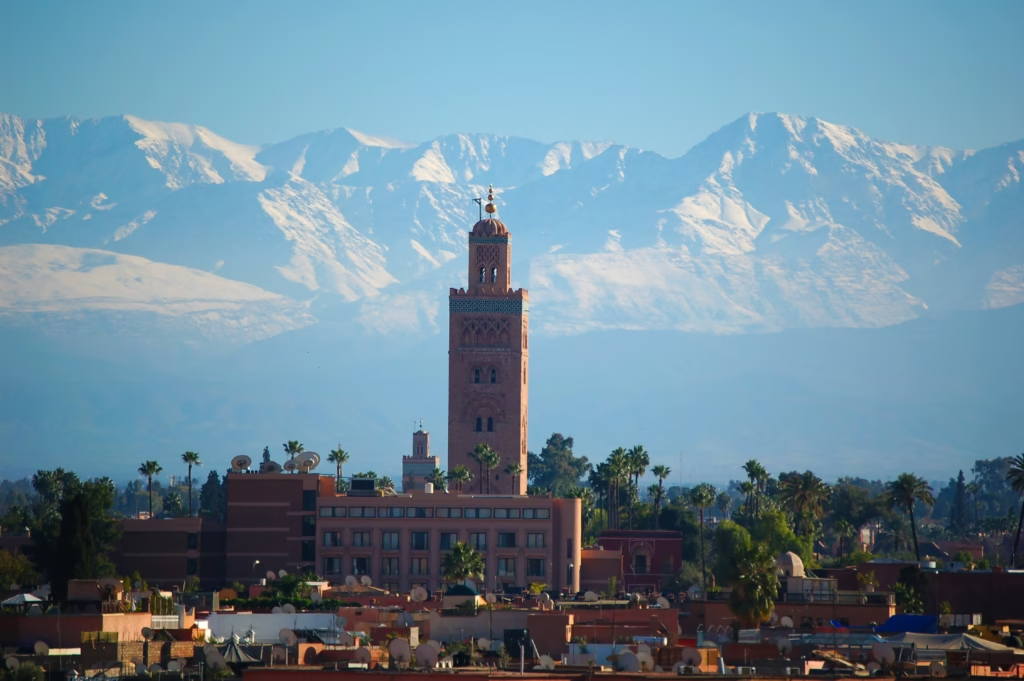
Islam plays a central role in the culture and identity of Morocco. The country is predominantly Muslim, and its religious practices influence many aspects of daily life, including the country’s festivals, holidays, and customs. The country is home to several important Islamic institutions, and Moroccan scholars have made significant contributions to the field of Islamic studies over the centuries.
While Islam remains the dominant religion in Morocco, the country is also home to a rich tapestry of other religious traditions, including Christianity and Judaism. The coexistence of these different religious communities highlights Morocco’s commitment to tolerance and diversity, making the name Morocco synonymous with acceptance and pluralism.
Conclusion: The Multifaceted Meaning of Morocco
The name Morocco encompasses much more than just the geographical location of a country. It represents a rich history, a blend of cultures, and a nation that bridges continents and cultures. From the ancient history of Marrakesh to the cosmopolitan influences of the international zone, the meaning of Morocco has evolved over time to reflect the nation’s diversity, strength, and global significance.
Today, Morocco stands as a beacon of cultural and economic vitality in North Africa, continuing to shape its future while staying true to its deep historical roots. The name Morocco, once tied to a city and a geographical location, now represents a nation that is both ancient and modern, traditional and innovative, and a bridge between Africa, Europe, and the world.